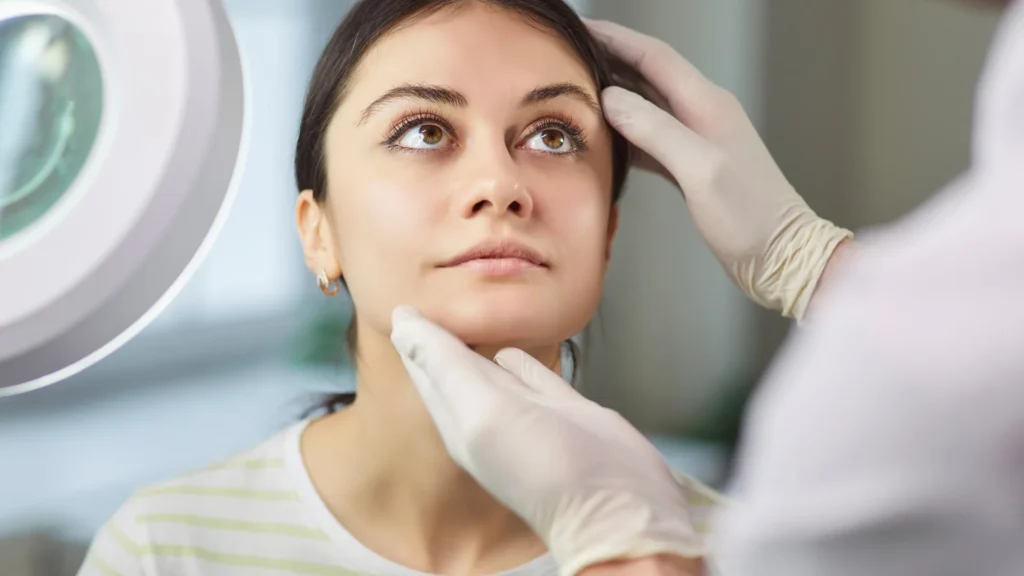
Images cataloging a patient’s pre-operative state compared to their post-operative state provide a clear indication of the effects of surgery and assist in the formulation of the patient’s expectations.
However, the interpretation of a photo is subjective.
From a photograph alone, you cannot determine if the improvement is significant and/or appropriate.
This resource breaks down the meaning of rhinoplasty before/after photographs, the types of post-rhinoplasty nasal surgical configurations, and when the rhinoplasty photographs should be assessed and how the post-rhinoplasty configuration was assessed.
What Should Rhinoplasty Before and After Evidence Consist of?
Rhinoplasty before/after images show changes brought on by surgery.
The areas of the nasal shape that address the patient’s concerns may include the nasal bridge, tip, nostrils, nasal width, projection, or the overall nasal-facial ratio.
Images will never capture the patient’s quality of life, patient satisfaction or breathing, internal nasal surgery, post-operative swelling, or the final outcome.
For this reason, plastic surgeons should not use before and after rhinoplasty photographs to illustrate the desired outcomes of patients, but rather to illustrate the surgical techniques employed by the surgeon.
How to Read Rhinoplasty Before and After Pictures
The right result requires the right photos.
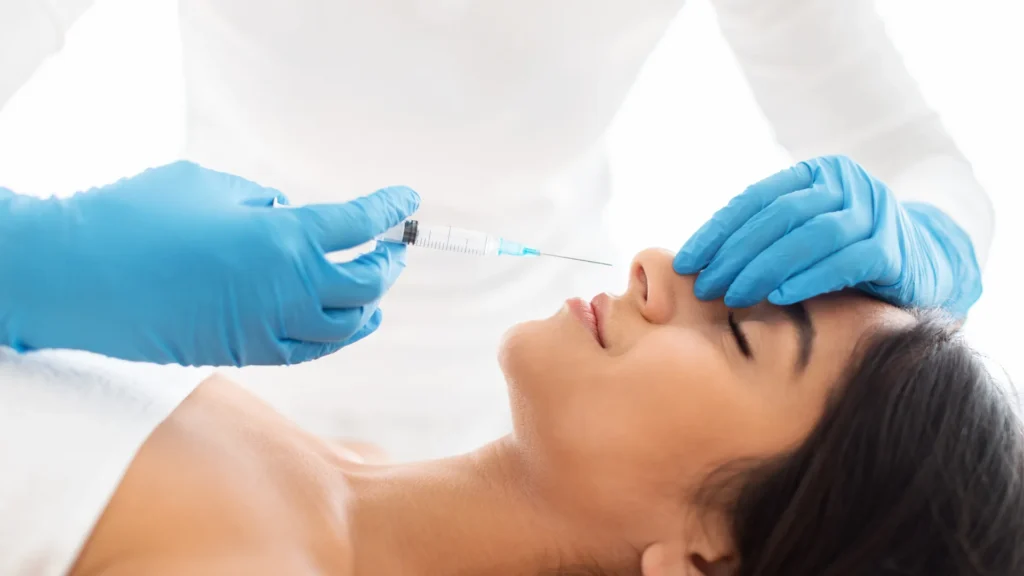
Compare the Same Angles
Informative photos provide similar angles before and after surgery.
The most detailed photos can include:
- Front View
- Side Profile
- Three Quarter View
- Base/Nostril View
A photo from profile can make a dorsal hump correction look great. This photo may hide asymmetry that is best appreciated when looking from the front.
Look at Several Angles
A more detailed analysis looks at multiple photos, or several angles.
Check Lighting and Camera Position
Different lighting and different positions of the camera can make the skin look smoother and the tip more defined.
Camera distance can change facial proportions.
Look at the Relationship Between Photos
Good photos make it easy to compare the before and after. Poor quality photos make it difficult.
A photo from above that was taken from a far different distance that is poorly lit, completely changes the appearance of the nose from the one that was taken close and is more well lit.
Look for Relaxed Facial Expression
Ideally, the subject should be relaxed in the position of both photos.
Many photos show the chin being raised which can alter the appearance of the nose.
It is important to compare the nose in the photos.
Look for Photos that Were taken At the Same Time
A good summary includes the timing of the photos.
An early after photo may show a dramatic improvement of the nose. It may also show the nose swollen with a lot of excess skin.
One person may appear to have a lot of excess skin and poor definition when photographed not long after the surgery of. However, they may have excellent definition and more refined skin a few months later.
Thus, you must know approximately when the photos were taken.
Rhinoplasty Results Timeline: When Do Photos Become Reliable Post Operatively?
The results after a rhinoplasty surgery take time to show.
Because the bridge, tip and surrounding areas of the nose are swollen, the initial shape seen after the surgery will not be the final shape.
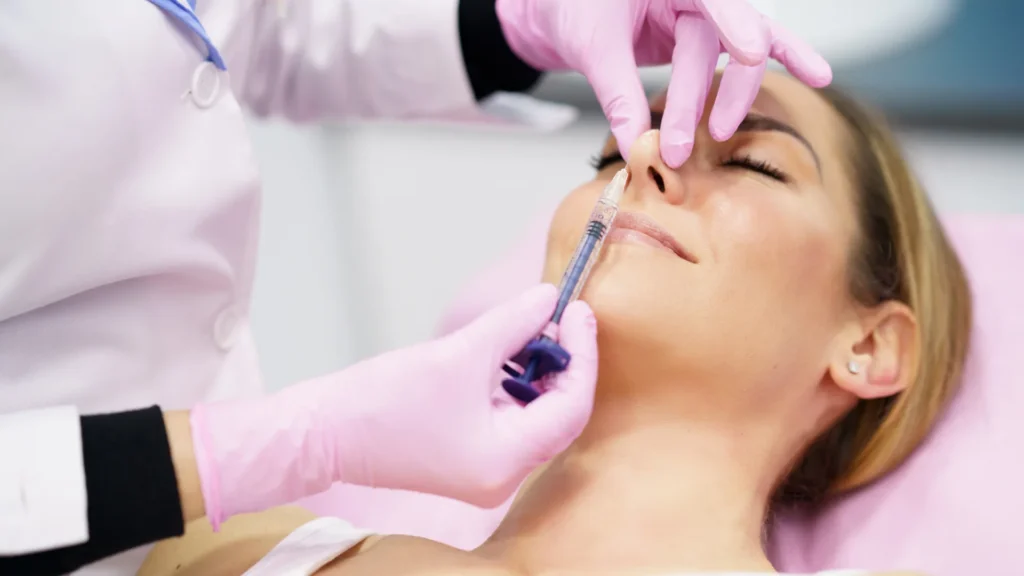
The First Few Weeks
Although interesting, early photos are far from the final results.
The nose may look wider, the tip may be larger and asymmetry from swelling may be visible.
This stage mostly involves healing during rhinoplasty recovery.
1–3 Months
The direction of the result begins to be more clear.
In the remaining swollen state, changes to the structure and profile of the nose can already be observed.
For many patients, the nasal tip is still less refined.
3-6 Months
More definition begins to be visible.
As the tissues continue to settle, the relationship of the tip to the bridge and the surrounding facial features can be better assessed.
6-12 Months and Beyond
Later photos provide a much better representation of the final result.
Although some noses settle quickly, other factors such as skin thickness, surgical complexity and healing can affect the final result, meaning comparing a two-week photo of one patient to a one-year photo of another patient shows little about the final result.
What Changes Can Rhinoplasty Produce?
There is no single rhinoplasty look in cosmetic surgery.
Different patients begin with different anatomy, meaning that meaningful before and after results should be based on the original concern.
Dorsal Hump Before and After Rhinoplasty
A “dorsal hump” is a problem that appears in almost all profile photographs, and is thus the focus of most rhinoplasty procedures. In rhinoplasty procedures, a surgeons purposes to lower and re-shape the bridge, but not to create a completely straight or overly low bridge. A balanced profile is created when the surgeon takes into consideration the harmony of the patient’s forehead, lips, and chin with the profile. A nice outcome often appears as a more balanced facial appearance rather than a “different nose.”
Wide Nose Rhinoplasty Before and After
A “wide nose” may have several cited causes, including the nasal bridge, nasal bones, nasal tip, nostrils, etc. Thus, it is best to examine wide nose rhinoplasty patients before and after pictures in both the frontal and lateral views. A lateral view alone cannot determine if the nasal width has been altered.
Patients want to see big nose rhinoplasty before and after photos, but it should be realized that reducing all parts of the nose to a smaller size does not necessarily produce the best outcome. Proportion is actually more important than size.
Bulbous Tip Rhinoplasty Before and After
A bulbous tip appears both broad, rounded, and undefined. Tip rhinoplasty before and after photos may show a tip that is refined, better defined, and has a better balance with the bridge. However, the nasal tip is an area of the nose that takes the longest to heal, so early before and after photos should be interpreted cautiously.
Drooping or Long Nose Before and After: Droopy Nasal Tip
A long or drooping nose can affect the profile and the balance between the nose and upper lip.
Changes can involve the tip, projection, or support. They can also involve the degree of shortening of the nose rather than focusing on shortening only.
This demonstration shows why two patients asking for the same change may require very different surgical plans.
Crooked or Broken Nose Rhinoplasty Before and After
A crooked nose is noticeable from the front.
Pre- and post-operative pictures may show improvements in the nasal axis and overall facial symmetry.
However, perfect geometric symmetry is not always reasonable because the nose rests within a face that is naturally asymmetric.
The more important question is whether the nose looks noticeably straighter and helps achieve facial balance.
Nostril and Alar Base Changes
Some patients may be more bothered by the presence of wide nostrils or an overly wide nasal base.
These issues are most apparent when looking at the nose frontally or from the base.
Aggressively decreasing nostril width is not always better, since small changes can produce large effects.
Balance is typically the most important goal when addressing the nostrils, tip, and other parts of the nose.
Male Rhinoplasty Before and After
The results of male rhinoplasty can also be useful in this search, since patients are interested in whether surgery can alter the nose while leaving the rest of the face unchanged and not giving the appearance of overdone surgery.
There is not one “male nose.”
Some men want better symmetry. Others want corrections for a dorsal hump, a narrower tip, or improved nasal breathing.
Male nose job before and after pictures are most useful when they show goals that patients with similar anatomy want rather than simply separating them by gender.
Female Rhinoplasty Before and After
The same goes for all female rhinoplasty before and after pictures.
A smaller or more upturned nose isn’t necessarily the final result for every single female patient.
The surgical plan should reflect the patient’s preferences and the structure and shape of the patient’s natural nose.
Female rhinoplasty results should be viewed across multiple facial structures. General rhinoplasty before and after photos should not incorporate a single standard, ideal result.
Ethnic Rhinoplasty Before and After
Patients of different ethnicities have distinct nasal characteristics of skin thickness, height of nose, tip support, nostril shape, and cartilage framework.
Good ethnic rhinoplasty does not try to shape a universal nose.
The goal is to create a result that fits the face that is of particular concern to the patient.
For that reason, Asian rhinoplasty Before and After photos, Black Rhinoplasty Before and After photos, and the like should not be construed to be cosmetic templates.
Functional Rhinoplasty Before and After: Septoplasty and Breathing Problems
Certain rhinoplasty cases can address both appearance and breathing issues.
A picture can show improvements for crookedness of the nose or changes for the external structural framework, but a picture cannot show functional improvement for breathing.
This is particularly applicable to the patient that has a deviated septum and a structural obstructive concern of breathing.
Before and after pictures cannot show breathing improvement.
Closed vs Open Rhinoplasty Results
Patients compare open and closed rhinoplasty before and after pictures.
There are a few things I like to tell patients to keep in mind when interpreting open vs closed rhinoplasty.
Though balancing names is a good start in coming up with the final template, other aspects such as complexities of the anatomy, case complexities, healing, and planning come into play as well.
A gallery should be valued more for its results consistency rather than case-level selection of technique.
What Makes a Rhinoplasty Result Look Natural?
Not much intervention is needed to achieve an excellent result. In rhinoplasty, the key is to create nasal proportions that mirror the other facial proportions.
From the front view, the nose should blend with the rest of the face.
From the side, the nose should be in the appropriate position to create a balanced profile.
From any angle, the result should be the same.
A simple test is to look at a photo of the patient and ask yourself if the first thing you notice is the nose or if the patient looks more attractive overall.
What Should You Look for in a Rhinoplasty Photo Gallery?
Numbers aren’t everything. Having a large library is not a sign of a good gallery.
Consistency and different cases trump a large photo library.
Find examples of patients who have similar issues to yours.
Don’t choose photos of patients who have a small hump only, hoping to see a wide nose reduced to your desired length.
Cases that reflect anatomy similar to yours are more helpful eg. thick skin and a bulbous tip.
It should demonstrate that results are adapted to patients rather than that every patient receives the same nose.
Warning Signs in Before and After Photos
Postoperative results are often depicted using misleading or inappropriate methods.
Potentially misleading photographs may show photos with different angles, different lighting, or extreme/different facial expressions.
Additionally, early postoperative results should not be depicted as final results without timing noted.
Adjustments over the use of severe photo editing, beauty filters, or extreme skin smoothing may also distort the image of the nose.
Another warning sign is a gallery that shows only one profile angle for every patient.
Each patient should be evaluated using multiple profile angles.
Why Similar Anatomy Matters More Than Your Favourite Result
Many patients find a rhinoplasty before and after photo that they like, and then request the same result.
As much as patients may like a result, it is not always helpful for the surgeon to know that photo.
Your facial proportions and starting shape are different.
The better comparison is not “Which nose do I like most?” It is: “Which patients started with anatomy most similar to mine, and what type of improvement was realistically achieved?” That question provides a much more valuable result compared to before and after photographs.
Can Before and After Photos Predict Your Result?
No photo can guarantee what your nose will look like following surgery.
Even patients with similar issues may heal differently.
While photos may be helpful in understanding the possible and the likely, they only tell us the range of what may be likely and the likely healing and aesthetic endpoints of a particular surgeon.
If a surgeon has many nose job pre/post examples, does the surgeon address multiple issues, and do the before/afters show results that are dramatic or conversely, results which may appear to have been done in a more subtle fashion? These are important factors to consider when choosing a rhinoplasty surgeon. However, the examples provided should not be your only or primary reason for seeking a consultation.
Rhinoplasty Before & After: Results Beyond The Nose
Within facial plastic surgery, the way a nose relates to the other facial features can also be altered with rhinoplasty. A smaller dorsal hump can give the appearance of a stronger chin. Another example is the way the upper lip relates to the nose.
An ideal way to demonstrate how rhinoplasty can alter the appearance of facial features is to include before and after pictures that show the entire face. In contrast, pictures that show just the nose can be misleading.
Before and After Photos for Revision Rhinoplasty
In revision cases, we must also consider the first surgery because the starting anatomy is different. Scar tissue, structural changes, and removal of cartilage can affect the outcome of surgery.
Comparing revision rhinoplasty before and after photographs with primary rhinoplasty is not appropriate.
What About Non-Surgical Rhinoplasty Before and After?
Non surgical rhinoplasty and surgical rhinoplasty have completely different focuses. Non surgical rhinoplasty can temporarily alter a few of the more superficial facial features, like contours. However, it should not be used to create structural changes, like surgery.
Liquid rhinoplasty before and after photos should not be used as a comparison to surgical rhinoplasty pictures when evaluating the potential of rhinoplasty surgery.
They have a different search intent and a different treatment answer.
Questions to Ask When Looking at Before and After Photos
When you look at pictures in a gallery, ask yourself:
- What is the angle of the after photo?
- What is the lighting?
- How much time passed since the after photo was taken?
- Do the patients have similar anatomy to mine?
- Are frontal and profile views shown?
- Does the result look balanced with the face?
- Are there several similar results or just one impressive result?
- Are functional issues and aesthetics discussed separately?
If you answer all of these questions, then the photo gallery has some value.
Frequently Asked Questions
How Long After Rhinoplasty Should Before and After Photos Be Taken?
Photos taken after the surgery are more important because it can take several months for swelling to reduce.
Are Rhinoplasty Before and After Photos Accurate?
They can be if lighting and timing are consistent. If any of these factors are variable, results may be less accurate.
Can I Get the Same Nose as Someone in a Photo?
Photos can help show preferences, but surgical results vary patient to patient.
What Should I Look for in Nose Job Before and After Photos?
Review several angles, timing, facial balance, case and patient similarity.
Why Does My Nose Still Look Swollen in Early Photos?
Swelling affects the width and definition of the nasal tip. Early photos should never be seen as final results.
Are Male and Female Rhinoplasty Results Different?
One should never rely on gender when forming an opinion of the result. Rather, one should consider the facial structure and the patient’s goals.
Can Rhinoplasty Improve Breathing and Appearance?
Some patients have functional and aesthetic concerns that warrant surgery. This problem often cannot be visually depicted, but shall be evaluated separately.
Do Closed and Open Rhinoplasty Look Different After Healing?
The final result is determined by many factors, and the name of the procedure isn’t one of them.
Are Before and After Photos Enough to Choose a Surgeon?
No, that would be a poor choice. They are one piece of the puzzle. Qualifications, relevant experience, surgical facilities, quality of consultations, and aftercare should also be considered.
Final Thoughts
Rhinoplasty before and after photos are great at capturing real results, but their value dies in the search for extreme photos.
You should look for realistic timing, balanced results, consistent photos, and comparable anatomy.
Most importantly, remember that another patient’s nose job before and after result is an example, not a prediction.
Nose job before and after galleries can give an idea of the contours, shapes, and sizes of the nose structures that can be created, as well as the realistic boundaries of the surgical procedures.