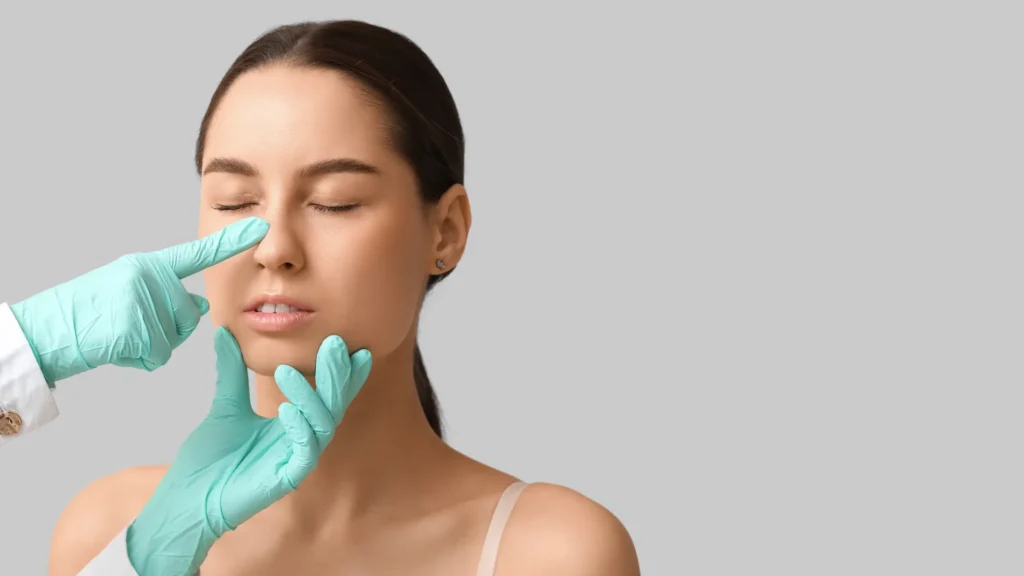
One of the first questions patients have when considering nose surgery is how long is rhinoplasty recovery?
There really isn’t a specific recovery date as different recovery phases take varying amounts of time. A patient may feel well enough to go to work while their nose is still swollen. The face may look normal to others before the final nasal shape completely settles.
Therefore, a good nose job recovery timeline consists of multiple milestones, including early recovery, visible recovery, recovery enough to return to normal daily activities, and long-term recovery.
The first week usually is the most dynamic recovery period, while the rhinoplasty recovery process after that becomes easier to understand on a weekly and even monthly basis.
How Long Does Rhinoplasty Recovery Take?
It depends on the context.
There are four recovery clocks.
1. Comfort
This is when the early discomfort, congestion and tiredness are alleviated.
2. Social recovery
This is when the bruising and more significant swelling become less noticeable to others.
3. Activity recovery
This occurs when the patient can resume normal activities, including work, exercise and other regular activities and routines.
4. Aesthetic recovery
This is when the final nasal shape is achieved as any remaining swelling settles.
Usually these recovery stages happen at different times, so someone may say they completely recovered from rhinoplasty in a few weeks, while still saying their nose continued to change in the coming months.
Rhinoplasty Recovery Timeline: What to Expect Day by Day & Week by Week
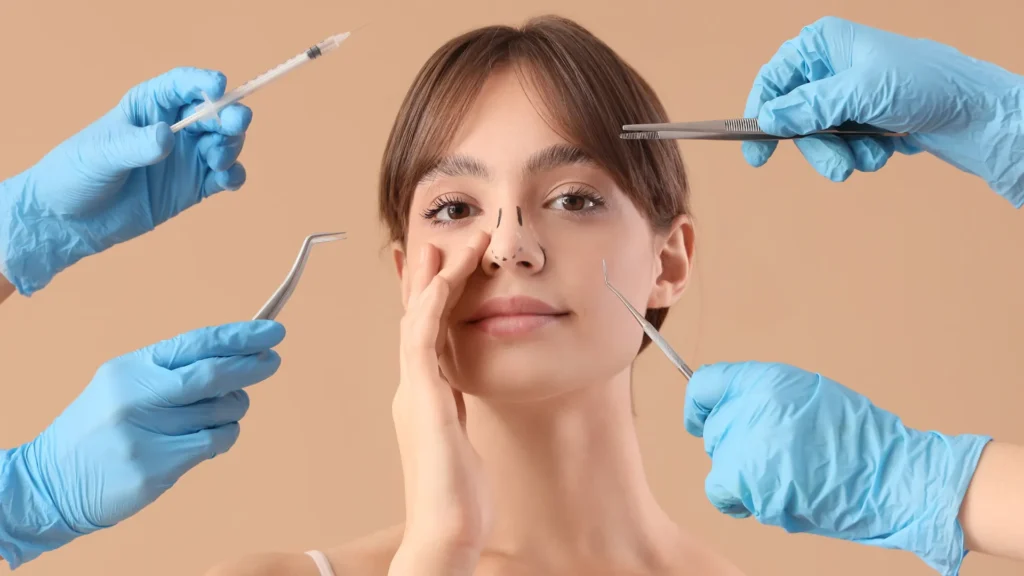
Day 1: Early Recovery Begins
Rest and protection of the nose is most important on this day.
A dressing and splint may have been placed, and, with nasal congestion and swelling in the nasal passages, patients can feel added pressure with a feeling of difference when they breathe through their nose. A bandage, cast or internal splints may also be used depending on the surgical procedure.
At this stage, patients are usually concerned with resting, following the post-operative care plan as set by the surgical team, elevating their head, and taking all prescribed medications, including pain medication when prescribed.
How the nose looks at this point in time does not have any bearing with the final result of the surgery.
The First Days (Usually 2–3) After Surgery: Swelling and Bruising Become Apparent
Swelling and bruising become visible in the first few days post-surgery.
With internal swelling still present, breathing through the nose may be difficult.
The first week post-surgery is the most informative for the rhinoplasty recovery day-by-day timeline as swelling and bruising are the most visible.
During this time, patients should avoid checking the shape of their nose as early swelling of the nose may distort how it looks.
These First Few Days: Swelling and Bruising Start to Heal
After the first week older patients begin to feel a lot more comfortable. Bruising may start to fade, as facial swelling starts to decrease.
The nose will still be swollen, and the splint will remain until the scheduled follow up. Sutures or internal splints may also remain when used. Daily activity and other light activities can start to feel less restricted, but the nose will still be very sensitive to impact and pressure.
First Week: Removal of the Splint Does Not Mean the Recovery Is Over
The removal of the splint is a very important milestone of the recovery process from rhinoplasty.
The removal of the splint does not signal the end of the recovery process.
The nose can still appear wide, swollen, asymmetrical or can lack definition. The nasal tip may also appear larger than the final result. After all, this is just a first look at the early stage of the healing process.
Week 2: Returning to Everyday Life
Week 2 is where people start becoming concerned with the appearance of their healing process rather than the day-to-day healing.
Many people start returning to their normal daily activities, such as work or socializing, as bruising begins clearing up.
Swelling is still present during the second week, but becomes less noticeable.
It is very important to understand the healing process. Looking presentable does not mean your nose is fully healed.
Weeks 3–4: More Normal, But Not Fully Healed
By weeks 3 and 4, life begins feeling less restricted, and more normal.
Most external changes to the face begin to improve and the nose starts to look natural.
Many activities begin to feel safe again to do, aside from contact sports and risking an injury to the nose.
The patient may feel fully recovered, but the internal healing of the nasal tissue remains.
Months 1–3: The Slow Part of Recovery
After the first month, the recovery process changes, and day-to-day improvements become less noticeable.
The swelling begins reducing, definition improves, and the patient may begin seeing improvements by viewing old photographs.
Patience is important as the nose may already look good, but is still not fully healed.
Months 3–6: Continuing Refinement
Refinement is still a process yet to be completed after months three to six.
It may also take this length of time to see the remaining swelling subsiding, showing more definition to the nasal bridge and tip.
These months may also show different healing rates in various areas of the nose. For example, the nasal tip can retain a lack of definition after the remaining areas of the face have already healed and look completely normal.
Philosophy of Long-Term Healing (6–12 Months)
Usually by 6-12 months, most of the healing process has subsided, and the patient is left with only the refinement and definition of the nose.
Continued subtle changes can take place as remaining swelling resolves. This process can take many months to even years to resolve, and can vary widely by patient.
Why Not Take Final Results Too Soon?
Usually, it takes at least a few weeks for the visible changes to begin taking place after the first week. The first week is focused on treating symptoms of discomfort and looking for quick changes from swelling and bruising.
After week one, visible changes take a few weeks to become apparent.
Changes to the nose begin to stabilize after several months. At this point it becomes even more obvious why not to judge the results of a rhinoplasty too early; the changes are slow and should not be consistently monitored.
The recovery from a rhinoplasty is measured with days in the first few weeks, weeks in the second few weeks, and months to follow.
Rhinoplasty Swelling Timeline
Swelling is of the greatest concern for patients who estimate how long they will have to recover, as the swelling takes the longest.
Removing the splint does not address the swelling.
Early Swelling
The first days of recovery can result the swelling of the facial tissues with the eye area usually looking swollen and bruised as well.
Cold compresses may form part of early aftercare when recommended by the surgical team.
Residual Swelling
Swelling is expected to occur even as the face heals.
Smaller amounts of swelling can remain in the nose even as the healing continues, and can affect the definition of the tip and bridge or how wide the nose appears.
Tip Swelling
The tip can take longer to settle than the rest of the nose.
For this reason, a patient can appreciate the overall appearance of the nose, yet still have a bigger or less defined tip than expected.
This does not mean that tip swelling will always lead to a better outcome for the patient. The team must evaluate how individual patients heal on an individual basis.
Bruising After Rhinoplasty
Bruising will occur during the early stages of recovery, but will usually improve before the deep swelling in the nose heals.
The amount of bruising will vary from patient to patient.
One patient may have bruising that is very visible around the eyes, while another patient may have very little bruising.
Healing in these two cases will have no impact on the healing of the other patient.
Bruising and swelling of the nose heal at different rates.
When Can You Return to Work?
The type of work a patient does will determine how long a patient can wait before returning to work.
A patient who does a repetitive or physically demanding job and is exposed to heat, dust and facial trauma will have to wait longer for recovery than a patient who works from home.
Medically, a patient may be ready to return to work, but the patient may not socially feel ready because of the appearance of the face.
This means a patient needs to weigh the amount of time they can take off from work against the expected recovery.
Returning to Exercise After Rhinoplasty
Returning to exercise is another milestone that should not be confused with feeling completely normal.
Walking, and even light movement, is definitely not the same as running, heavy lifting, weight lifting, or playing basketball.
After surgery, the goal should be to increase activity as directed by the surgeon.
Tiredness is not the only concern. The nose should not be subject to extra strain or to impact during the healing process, including strenuous activities and strenuous exercise.
Sleeping After Rhinoplasty
Recovery from rhinoplasty can actually disrupt your normal sleeping patterns.
The head should definitely be elevated during sleep and never in a flat or prone position.
If you sleep on your side or on your stomach, this can be a really tough first week.
This recovery position is designed to protect the healing nose.
Rhinoplasty Aftercare and Recovery Tips
Comprehensive aftercare facilitates the healing process, but full recovery still takes time.
Postoperative instructions are very important and should include direction for the following:
- splints and dressings
- bandage or cast, if used
- medications and pain medicines
- postsurgical nasal care
- cold compresses when advised
- positioning during sleep and rest
- showering
- physical activity
- strenuous activities
- scheduled postoperative appointments
- follow-up appointment
- sun exposure
- symptoms requiring a call to your surgeon
Repeatedly touching, pressing or attempting to reshape the nose should definitely be avoided unless instructed by surgical personnel.
Patients should also ask when they can blow their nose because the nasal passages and internal tissues need time to heal.
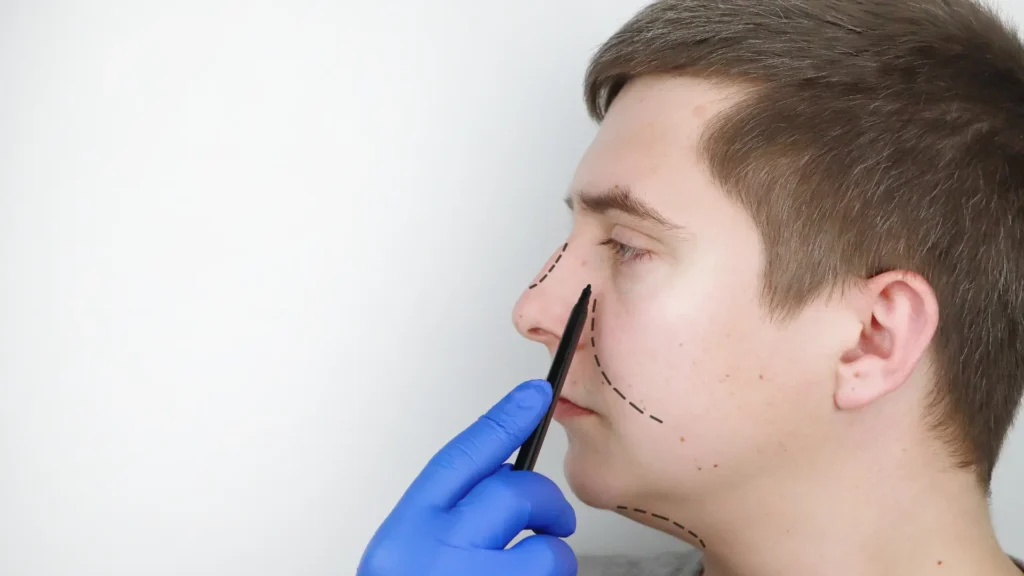
What Factors Can Affect Your Recovery?
Two people can undergo rhinoplasty on the same day, and one will recover much quicker than the other.
Factors that can impact your recovery are:
- Skin and soft tissue condition
- Healing response
- Skin and soft tissue condition
- Prior rhinoplasty
- Smoking
- Existing medical conditions
- The quality and extent of post-operative care you receive
- Trauma and accidents
- Adherence to instructions
- The extent of the rhinoplasty procedures
- Incision healing and scarring
- General anesthesia or local anesthesia where applicable
Postoperative Nursing Care
For the first few days, nursing care should be very hands-on and very supportive – much more than what you usually receive.
There are many reasons recovery times from rhinoplasty vary. It’s important to remember they cannot be predicted, and flexible planning is key.
Does The Type of Rhinoplasty Influence The Recovery Process?
In some cases.
While recovering from open versus closed rhinoplasty can be different, the extent of the surgery may be a greater predictor of recovery length.
Procedures involving a deviated septum may also have different recovery considerations depending on the work performed during septorhinoplasty.
Recovering from revision rhinoplasty may have atypical recovery because the nose had to heal previously.
Having surgery that primarily focuses on the tip may mean prolonged tip swelling.
It is important to know that recovery timeline may have many factors, and surgery technique is one of them.
3 Recovery Milestones Patients Confuse The Most
This is perhaps the most important concept to understand in regards to surgery.
The removal of the splint on your nose does not mean it has healed.
Being able to return to work does not mean you can return to exercise.
Looking normal does not mean the results of the surgery are final.
These occur at different stages.
A patient that understands this prior to surgery will not be as concerned by the fact that the results of the surgery take time and continue to develop.
Recovery Should Be Organized Before the Surgery
It is important that the recovery is organized prior to the surgery.
Patients should understand:
- how many days they can take off work
- if there is any support for the first few days
- when they can exercise
- how they can reach the surgical team
- how to organize everyday life
- how surgery travel affects recovery
For international patients planning rhinoplasty in Turkey, the recovery is the focus of travel rather than booking the end of the vacation travel plans.
When Will My Nose Look Normal?
“Normal” can mean a lot of different things.
For most patients, it’s about feeling comfortable enough to work, go outside, or meet others, without visible signs of a recent operation.
That can happen even before complete healing.
Even after the rest of the face heals, the nose will likely remain swollen.
When Will I See The Final Result?
The new, surgical shape exists from the first day of the operation, but swelling hides it.
As the swelling lessens, more of the nasal shape is uncovered.
Thus, the final result is better thought of as something that is progressive, rather than something that is revealed when the splint is removed.
Early photos should not be viewed as final before and after results.
Recovery Warning Signs
The expected recovery is a process of gradual changes.
Patients should know how to contact their medical team if something is different than what was expected.
Heavy or persistent bleeding or nosebleeds, worsening symptoms, sudden breathing issues, infection or other signs of an issue, severe pain or other symptoms that the surgeon indicates are of concern, should be reported to the medical team.
The patient should be given these instructions before leaving the surgical facility.
These warning signs are also part of the wider rhinoplasty safety considerations patients should understand before surgery.
Timeline of the Expected Recovery From a Quick Nose Job
| Phase | Something that Patients Notice during this Phase |
|---|---|
| Day 1 | Blocked breathing, swelling and a splint or dressing |
| Days 2–3 | Swelling and bruising occurs |
| Days 4–7 | Healing begins |
| Week 1 | Follow up visit to the doctor and possibly splint removal |
| Week 2 | Becoming more present during activities |
| Weeks 3–4 | Activities of daily life feel normal again |
| Months 1–3 | Gradually, swelling goes down more and more |
| Months 3–6 | Further definition and refinement occurs |
| 6 months–1 year | Long term settling of the shape of the nose |
It’s important to note that this isn’t a hard and fast timeline for everyone.
Common Questions About Recovery for a Nose Job
How Long Will It Take for Me to Recover From a Rhinoplasty?
The healing process occurs quickly, but the final appearance takes much longer.
How Will I Know When I Have Fully Recovered From Rhinoplasty?
It happens in stages. How it feels versus how it looks is one of the stages. Healing time after a rhinoplasty is different than after other surgeries.
How Long Does Rhinoplasty Take to Heal?
Complete healing of the nose takes time. It can take a few months before the appearance is finally healed.
When Does Swelling Go Down After Rhinoplasty?
During this healing time, the nose will still look a little swollen, but after a few weeks it will begin to improve.
How Long Will I Have to Take Off Work for My Rhinoplasty?
It depends on your job and if you are ok with the swelling.
When Can I Blow My Nose After Rhinoplasty?
Patients need to wait until their surgeon says it is appropriate. Healing internally and the operation performed allows the surgeon to determine this.
When Can I Wear Glasses After Rhinoplasty?
Healing of the nose from the surgery and the pressure on the nose from wearing glasses are factors that determine when patients can wear their glasses after rhinoplasty.
When Can I Exercise After Rhinoplasty?
Patients begin to exercise again, but more carefully. This is because activities and sports that involve contact to the nose can be dangerous to the healing of the nose. Light activities of daily living are safe to perform.
When Will I See My Final Rhinoplasty Result?
As the swelling of the nose subsides, the shape of the nose becomes more apparent and refined. The process of recovery and refinement can take up to a few months.
Final Thoughts
So, how long is rhinoplasty recovery?
There is not a single recovery date.
The first days involve the most changes. The following weeks and months bring improvements in discomfort caused by swelling and bruising. The last months are about the healing of the swelling.
The best way to determine a nose job recovery timeline is to analyze it day by day for the first few weeks and then month by month for the complete healing of the nose.
Most patients remember that having the splint removed, returning to work and seeing the final result are three completely different healing milestones.
Healing is not a deadline. It is a process and the surgical plan should take priority.