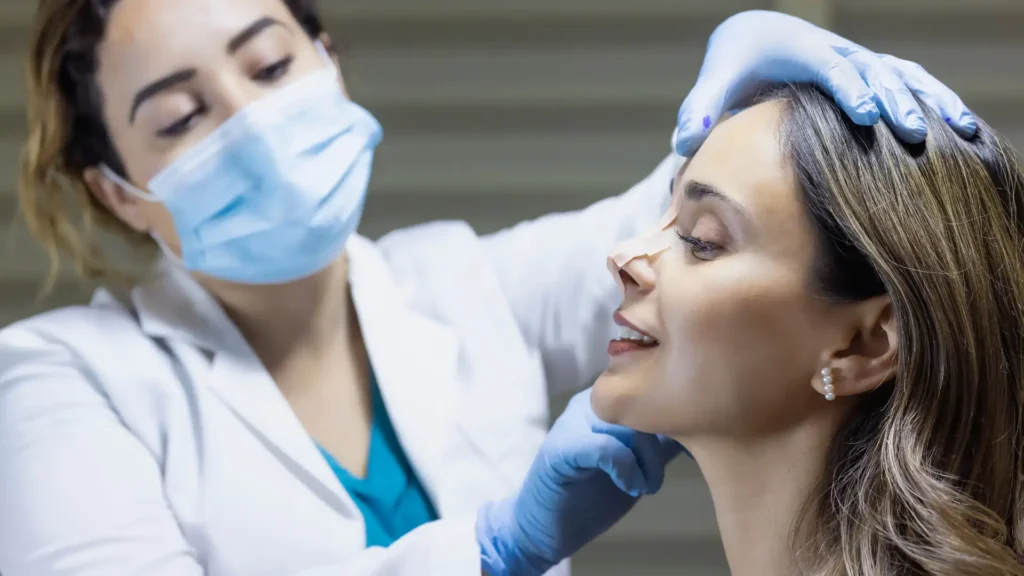
Septorhinoplasty in Turkey addresses both the internal and external appearance of the nose. It may be an option for those with appearance and functional issues, including nasal obstruction, deviated septum, previous nasal trauma and difficulty breathing through the nose.
A septorhinoplasty is not a cosmetic rhinoplasty, because the structure and functionality of the internal nasal cavity is as important as the external shape of the nose. The results obtained cannot be solely aesthetic in nature; they must consider the balance of the internal and external structures as well as nasal airflow.
Prospective septorhinoplasty patients must consider this distinction while traveling to Turkey. Cheap surgery prices or impressive before and after photos do little to show whether or not the potential surgeon assessed the internal nasal structures. The surgical plan should take into account the nasal structures, the patient’s breathing issues, and the aesthetic goals of the patient including the patient’s aesthetic goals.
What is Septorhinoplasty?
Septorhinoplasty is a combination of septoplasty and rhinoplasty. Septoplasty is a surgical procedure to correct a deviated septum, the division of the two nasal passages on the two sides of your nose. Airflow can become restricted if the nasal septum is significantly deviated, creating a deviated nasal septum that can affect airflow.
Rhinoplasty in Turkey is a surgical procedure that can change the appearance of the nose by altering the width, projection, and/or the tip of the nose, as well as correcting structural asymmetries. It can also address the nasal bridge, including trauma or surgical alterations.
One goal of septum surgery is to achieve functional septorhinoplasty. This surgery fulfills the goal of improving the airway while also modifying the visible structure of the nose.
This method becomes relevant when the internal and external problems are related. An external deviated nose may involve external deviations of the nose and internal displacements of the nasal septum, for example.
A septum surgery, or septoplasty, would address problems of the nasal cavity (i.e. obstruction of the nasal passage) and breathing.
Rhinoplasty would address problems of the external shape and proportions of the nose.
Septorhinoplasty is the combination of both.
Someone looking up “septoplasty” and “rhinoplasty” may, in fact, be looking for “septorhinoplasty”. This is because septoplasty and rhinoplasty may both be necessary.
Someone with a straight external nose but with an internal deviated septum would most likely only need septoplasty to correct the problem. On the other hand, someone with an external nose deviated to the side and with a septum also internally deviated, obstructing the airway, would likely need more extensive surgery to correct the problem.
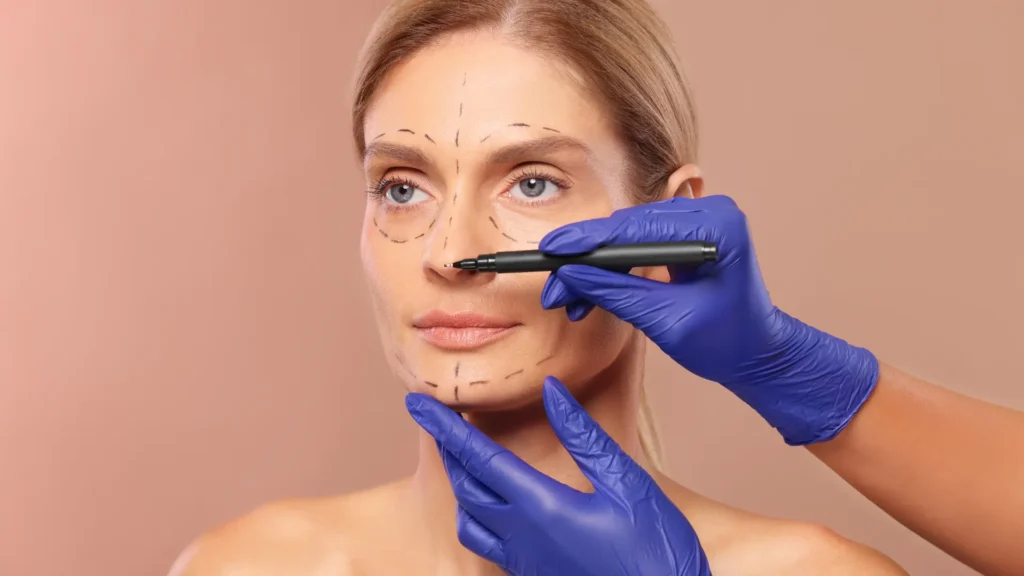
Septorhinoplasty is appropriate in what situations?
If a patient has both breathing problems, functional problems and structural or aesthetic problems, septorhinoplasty can be considered.
A deviated septum is one possible cause, but there are many others. Sometimes nasal obstruction can involve several structures instead of a single point within the nose, including problems affecting the nasal airway or nasal valve collapse.
The nose can sustain trauma at different points during development. Trauma can heal and distort the bones or cartilage of the nose, including the nasal bones and supporting bone and cartilage. Some people can notice that their nose lacks symmetry after a broken nose, while trauma during the developmental period can cause nasal asymmetry.
Anatomy can change due to previous rhinoplasty as well. Revision surgery is difficult due to scar tissue, weakened cartilage, and removal of excessive structure.
The main point is that a nose job to fix a deviated septum should not be treated as a routine procedure for nose aesthetics or a simple change in nose shape. The surgeon must evaluate the extent of the obstruction and if meeting the functional goal requires altering the external nose.
What Can Septorhinoplasty Change?
The surgical plan is based on the patient’s unique anatomy, and surgery can be more complex.
Externally, the surgery can correct a number of concerns such as a crooked nose, other nasal deformities, asymmetric or droopy tip, insufficient or excessive tip projection, and nasal tip changes due to trauma.
The surgeon can also correct the internal nasal structure by straightening and/or improving support of the airway and repositioning/strengthening balance of the supporting structures of the airway, with the aim of preserving nasal function.
This distinction is important because obstruction and breathing symptoms do not always correlate with what one sees in a mirror. Even if one sees a straight looking nose in a mirror, there could be internal obstruction.
Impairment of airway is not always related to obstruction when one looks in a mirror.
A good surgical plan, or treatment plan, will answer what needs to change regarding function, and what needs to change regarding appearance.
Until the surgeon addresses both questions, septoplasty, cosmetic rhinoplasty or septorhinoplasty cannot be decided upon.
The structure of the Nose and Breathing
As with most things in life, God made the nose with an ingenious design. It consists of a framework made of various types of bones and cartilages and soft tissue with a delicate covering of mucosa.
The nasal septum contains a cartilage which extends to the tip of the nose and forms the middle of the lower nose. The lateral walls of the nose determine the flow of air through the nasal passages along with several structures known as the nasal valves, which may also be involved in nasal valve collapse.
If the nose has undergone surgery, trauma or if any of its structures have been disturbed, breathing may become a problem, while symptoms such as nasal congestion or snoring can have more than one possible cause.
So the corrections to such areas of the nose to relieve breathing may involve more than just correcting the nasal septum.
When a patient chooses to have rhinoplasty to improve nasal breathing, the evaluation must find the true cause of obstruction and not simply blame the deviated septum for the breathing problems.

Planning a Septorhinoplasty
Planning typically involves a lengthy consultation session.
The surgeon evaluates the external and internal nose. The history and symptoms of the patient as well as past trauma, surgeries and medical issues are all part of the evaluation. The patient’s expected results are also of importance to the surgeon.
The surgeon may use photographs to evaluate the nasal proportions or to determine potential surgical changes. The surgeon also examines the nasal cavities to determine the source of the obstruction whether it be the nasal septum or something else.
Ultimately, the patient’s priorities become one of the determining factors for the surgeon. Many patients wish to have cosmetic surgery done to improve breathing. Others wish to have surgery to correct functions of the nose.
Here’s one reason why online consultations aren’t enough to decide on a septorhinoplasty. While an online consultation may be beneficial in the initial phases of the procedure, especially for international patients, a lot more examination may be needed to create a proper surgical plan.
Open and Closed Septorhinoplasty
Septorhinoplasty can be done through an ‘open’ or ‘closed’ approach. This decision is based on the type of corrective surgery needed and the preferred surgical plan by the physician.
An ‘open septorhinoplasty’, is done by incising through the columella together with some or perhaps all of the inner incisions. This approach allows the surgeon to perform a wide range of complicated measures on the nasal framework.
A ‘closed septorhinoplasty’ (or endonasal approach) involves incisions solely within the nostrils. This approach may be taken in less complicated surgical cases.
As far as open vs closed septorhinoplasty is concerned, there is really no right or wrong answer.
What really matters is ensuring that the approach taken allows the doctor to correct the abnormalities of the patient’s facial structures while still supporting the integrity of the nose.
It is more important to employ the surgical method that best reflects the structure of the human body rather than phrases coined by advertising.
What Happens During Septorhinoplasty?
The nature of the surgery is going to vary from patient to patient.
Septorhinoplasty is almost always performed under general anesthesia, also called a general anaesthetic. Through the available surgical access, the septum is inspected for structural abnormalities and corrected while still maintaining sufficient operative support.
The surgeon can now perform surgical planes of augments and grafts based on the plan.
The surgeon can then perform the plan to reshape and reposition bone and cartilages, which may be moved as part of the structural correction.
In certain situations, cartilage grafts are essential to strengthen and/or reconstruct portions of the nose, and a cartilage graft may be selected according to the treatment plan. In such instances, septal cartilage may be used as grafting material. However, more involved procedures or revisions may necessitate cartilage from donor sites such as the ear or rib.
Alterations to the nasal bridge, tip and supporting framework may be done as needed as well.
Since there are both functional and cosmetic goals with this procedure, a septorhinoplasty is not simply a septoplasty done in conjunction with a purely cosmetic nose job. Alterations to one area of the nose can affect the aesthetics, stability and breathing of other areas.
Primary, Revision and Reconstructive Septorhinoplasties
Most first-time surgeries are considered primary septorhinoplasty.
Septorhinoplasties are surgically performed as revision procedures when there are persistent or newly developed functional and structural problems following previous nasal surgery. These procedures may be more complex due to the narrowing of the operative field, scarring, etc.
After significant trauma with a subsequent loss of major structural support or removal of supporting structures, reconstructive septorhinoplasty may be required.
Therefore, it is imperative that patients seeking revision septorhinoplasty provide thorough information to the surgeon regarding all of their previous surgeries. Any operative reports which are available may be helpful as well.
Revision cases should not be assessed as primary rhinoplasty cases.
Septorhinoplasty Recovery
The recovery process from a septorhinoplasty is similar to a rhinoplasty.
During the recovery period, swelling, nasal congestion and bruising are to be expected. A nasal splint may be placed externally, with some internal splints and sutures also being employed as necessary based on the extent of the surgery.
visible healing takes time, but patients see visible improvements along the way. The gradual healing of the nose and the reduction of swelling and settling of tissues change the structure of the nose over time. Healing can cause a stuffy, restricted feeling in the noses of patients, even with poor airflow, until the swelling fully resolves. Immediately after the surgery does not signal the final outcome.
On a case by case basis, the length of the recovery process depends on various factors, including the type and extent of the surgery, whether or not grafting was performed, and the patient’s ability to heal. It takes several months for swelling to fully resolve, and the structure of the nose changes in that time. Recovery should only be compared to the specific post-operative care instructions given by the surgical team, including instructions about pain medication or other prescribed medicine and returning to work or school, not to other patients’ recoveries.
Before and after images illustrate treatment for structural deformities for each patient uniquely. Before and after photos are best when swelling is gone, and do not show the entire recovery process. Functional surgery also does not photograph well.
Healing can bring a more balanced and symmetrical profile to a patient, but the better recovery is the improved airflow.
When choosing before and after cases to look through, pick cases with similar anatomy to yours rather than the cases that seemingly offer the highest degree of transformation.
The aim of treatment should be to adjust the patient-specific imperfection, as opposed to duplicating someone else’s nose.
Risks and Potential Complications
All surgical interventions have risks.
These include excessive bleeding or nosebleeds, infection, poor healing, formation of excessive scar tissue, numbing of sections, permanent dissatisfaction with appearance, persistent asymmetry, and septal perforation.
Complications from a functional perspective may include chronic nasal obstruction or persistent nasal congestion.
Some patients are prone to requiring repeat surgery.
Evaluating patients, understanding potential risks, and developing reasonable expectations are essential aspects of surgery.
In the postoperative context, surgeons should describe the known risks, benefits, and limitations of the surgery, as prospective patients should understand that surgery does not guarantee desired outcomes.
A surgeon should be able to explain the known risks of surgery in detail.
Recovery from surgery requires an instructional meeting to explain the postoperative symptoms that require contacting a physician, so patients learn what needs prompt medical attention.
Septorhinoplasty Cost in Turkey
Because the amount of surgery required is specific to the patient, a single amount cannot be quoted as the cost for septorhinoplasty in Turkey.
The cost will likely vary with the type of surgery (primary versus revision), the complexity of the surgery required, the required grafts, the anesthesia, hospital services, and the experience of the surgeon.
International packages may also include accommodation, transfers, and other supporting services.
These extras can make comparing packages difficult. Two quotes may appear similar while covering very different surgical and postoperative services.
Patients should understand the price being quoted and what is and is not included.
Price should not be quoted as a standalone figure.
Septorhinoplasty for All Patients in Turkey
Thousands of patients every year choose Turkey for both aesthetic and non-aesthetic Septorhinoplast surgery. International patients make additional considerations when opting for surgery outside of their country. They want to know the timing and location of pre-op evaluation, procedure, and post-op recovery. They need to know how they will receive the aftercare and follow-up prescribed for them after they travel back to their original destination.
The surgeon need to be able to talk to the patient about their breathing issues, not just how they want to change their breathing aesthetic.
Patients also need to know the emergency contact information after they return to their original country.
Instead of viewing the travel problems as separate from the treatment, all problems should be viewed as a treatment problem.
Choosing a Septorhinoplasty Surgeon
Septorhinoplasty is not just a cosmetic surgery, it is also a functional surgery and a form of functional nose surgery. The surgery can improve appearance and breathing function. The surgeon can also address structural integrity.
Looking at surgery social media pages and total surgery counts may help patients decide, but looking at before and after pictures is a more important indicator.
Who you choose to give you anesthesia, who does the surgery, who you the post surgery care all need to be considered. It is especially important for advanced or complicated surgeries.
When Is Septoplasty Sufficient?
A deviated septum does not always necessitate septorhinoplasty. If the deviation is primarily internal and the external nasal structures are reasonably in line, then the surgery may only require septoplasty.
This touches on the vestibule of unnecessary cosmetic surgery.
However, internal septum deviation that obstructs airflow may require other surgery. Also, if the external structures are deviated or if other structures contribute to airway obstruction, correction of the septum alone may not resolve the issue, and the need for nasal obstruction surgery depends on the full examination.
In that case, the correct surgery is more about understanding the textbook anatomy than the name of the surgery a patient Googled initially.
When Is Rhinoplasty Sufficient?
If someone only wants to correct a perceived cosmetic imperfection of the nose and there is no significant functional issue, then surgery on the septum may not be necessary.
There is the perception that all cosmetic surgeries of the nasal framework, including the nose, are the same. It’d be incorrect to assume this considering the placement of nasal structures affects airflow as well as nasal function.
This is especially true in cosmetic surgeries that aim to straighten, reduce, or even move the structures of the nose.
Septoplasty vs Rhinoplasty vs Septorhinoplasty: Which Surgery is Needed?
There is no right or wrong answer.
Aesthetic concerns as the primary concern usually warrant rhinoplasty, particularly if the rest of the internal airway is healthy.
If the main problems is a deviated septum and that is the only other issue, then septoplasty would be the better option.
If the internal and external nasal structures require significant corrections, then septorhinoplasty would be preferred because it is a more comprehensive correction in a single surgical session.
The main differential is the patient symptoms and the surgeon’s goal over the complexity of the surgery.
Septorhinoplasty FAQs
What is septorhinoplasty?
The term combines septum and nose correction surgery that covers both the breathing and appearance of the patient.
Can rhinoplasty straighten a deviated septum?
A standalone rhinoplasty is unable to guarantee a straight septum, meaning surgery to straighten the septum is combined with external reshaping surgery and this is performed as septorhinoplasty.
Can septorhinoplasty resolve issues with breathing?
If the obstruction is from malformed structures, improvement with breathing can be expected. The degree of improvement can depend on how bad the obstruction is.
Does septorhinoplasty affect breathing?
Improved breathing is possible if there are structural issues that obstruct the nasal passage.
Can septorhinoplasty change the appearance of the nose?
The operation can certainly be used to change the appearance of the nose. It is different than septoplasty which would be used to correct a deviated septum.
Does septorhinoplasty involve both open and closed methods?
Both techniques are possible. Generally, the closure method is used for less substantial work, while more complex work may lend itself to the open method.
What is the recovery time for septorhinoplasty?
Recovery for visible changes is faster, however, deep healing and optimum results can take several months to over a year.
Can septorhinoplasty be used as corrective surgery?
It can be used as corrective surgery for patients that experience a lack of aesthetics or function after previous nasal surgery.
Is septorhinoplasty reversible?
Septorhinoplasty should not be considered reliably reversible. Further surgery may be possible, but restoring the exact preoperative anatomy is not guaranteed, and revision can be more complex.
The Guiding Principles for Septorhinoplasty
Septorhinoplasty is most useful when patients stop viewing breathing and appearance as completely disparate problems.
Septorhinoplasty is a type of surgery that addresses both appearance and breathing problems.
The planning of a surgery therefore starts by determining the root of the function problem, identifying the desired cosmetic change, and making sure those new appearances or functions will be safe.
When contemplating septorhinoplasty in Turkey, the issue of where one can save the most money by taking the path of least surgery should not be the primary concern.
The prime concern should be if the surgery will be of any benefit for the patient’s anatomy.
This is the most pronounced difference between customized functional and aesthetic surgery planning, and generic planning of nose surgery.