
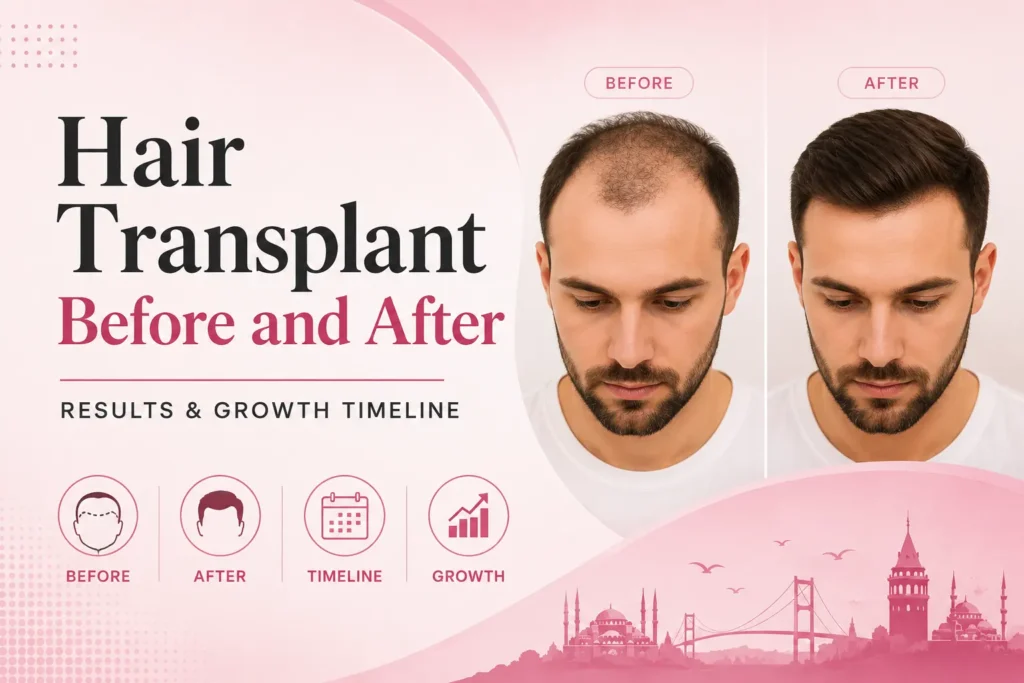
Hair Transplant Before and After
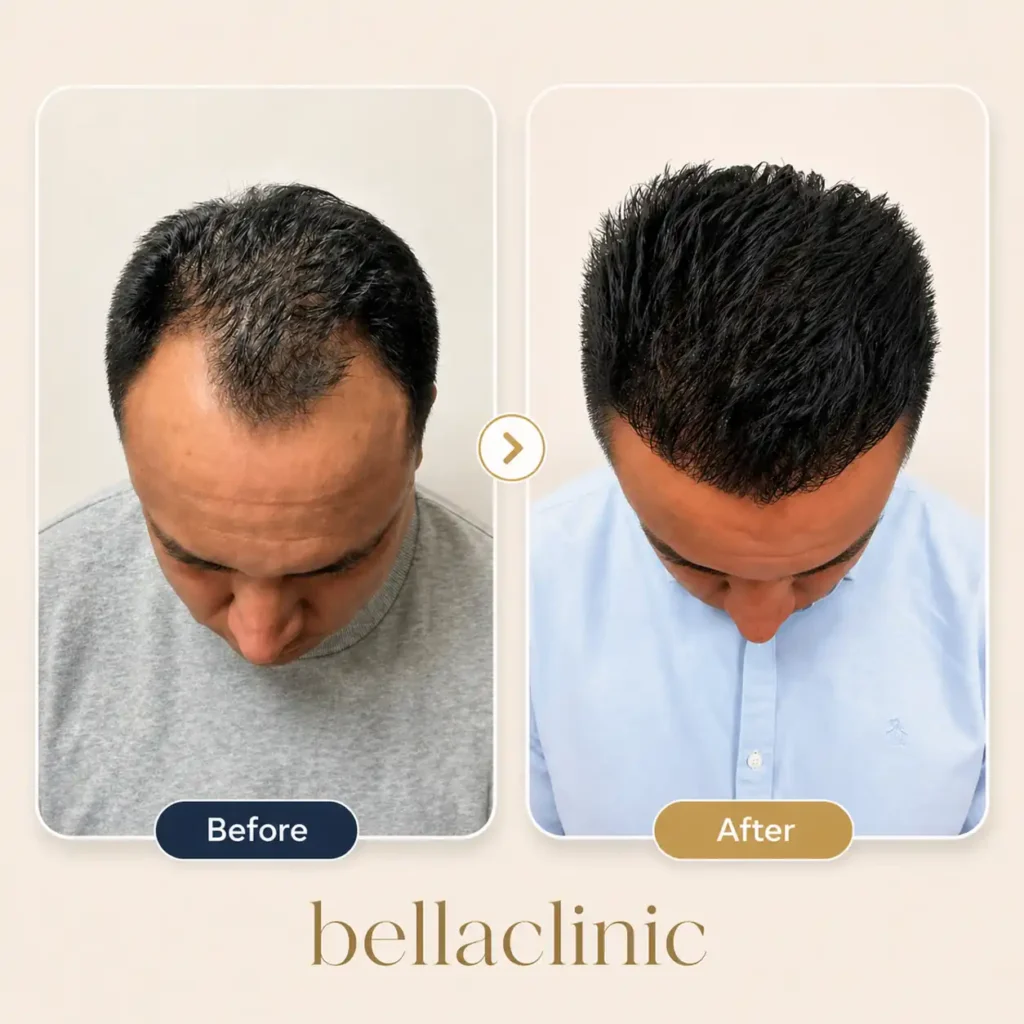
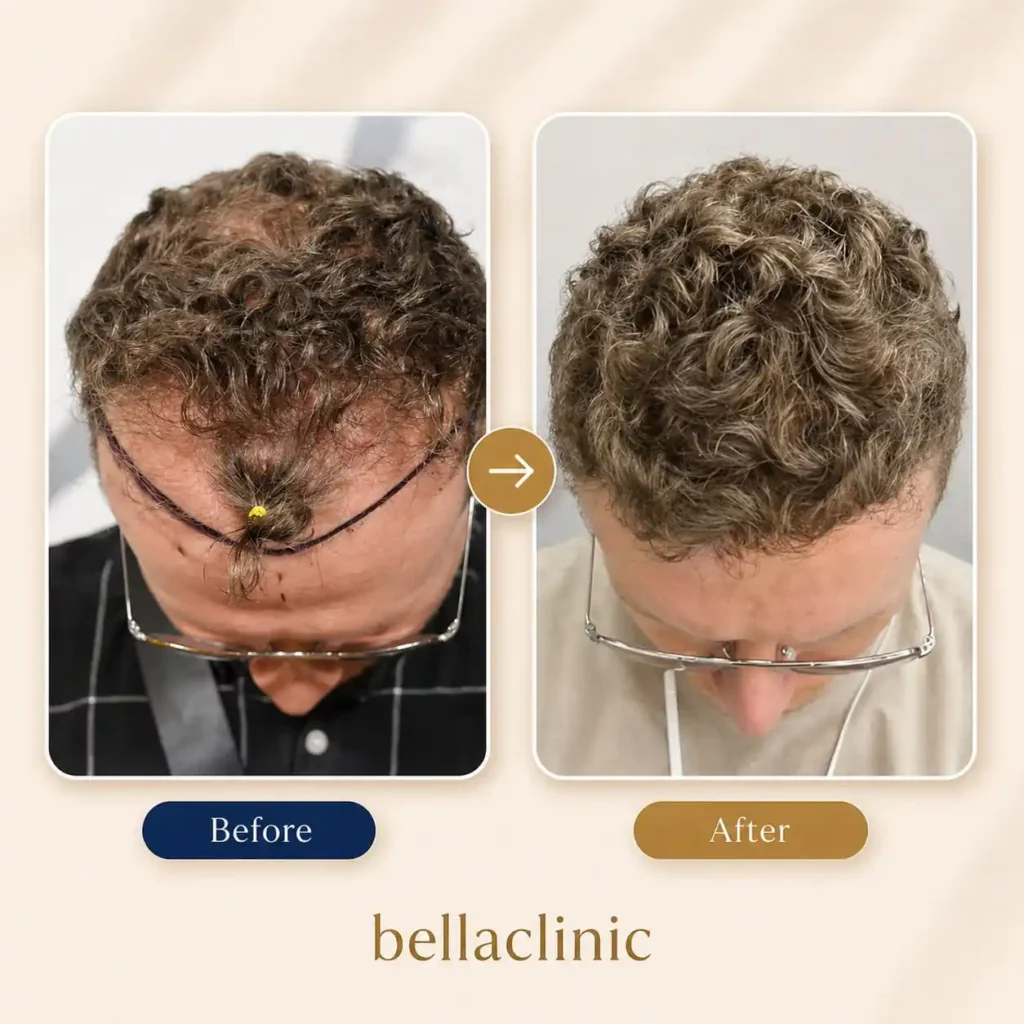
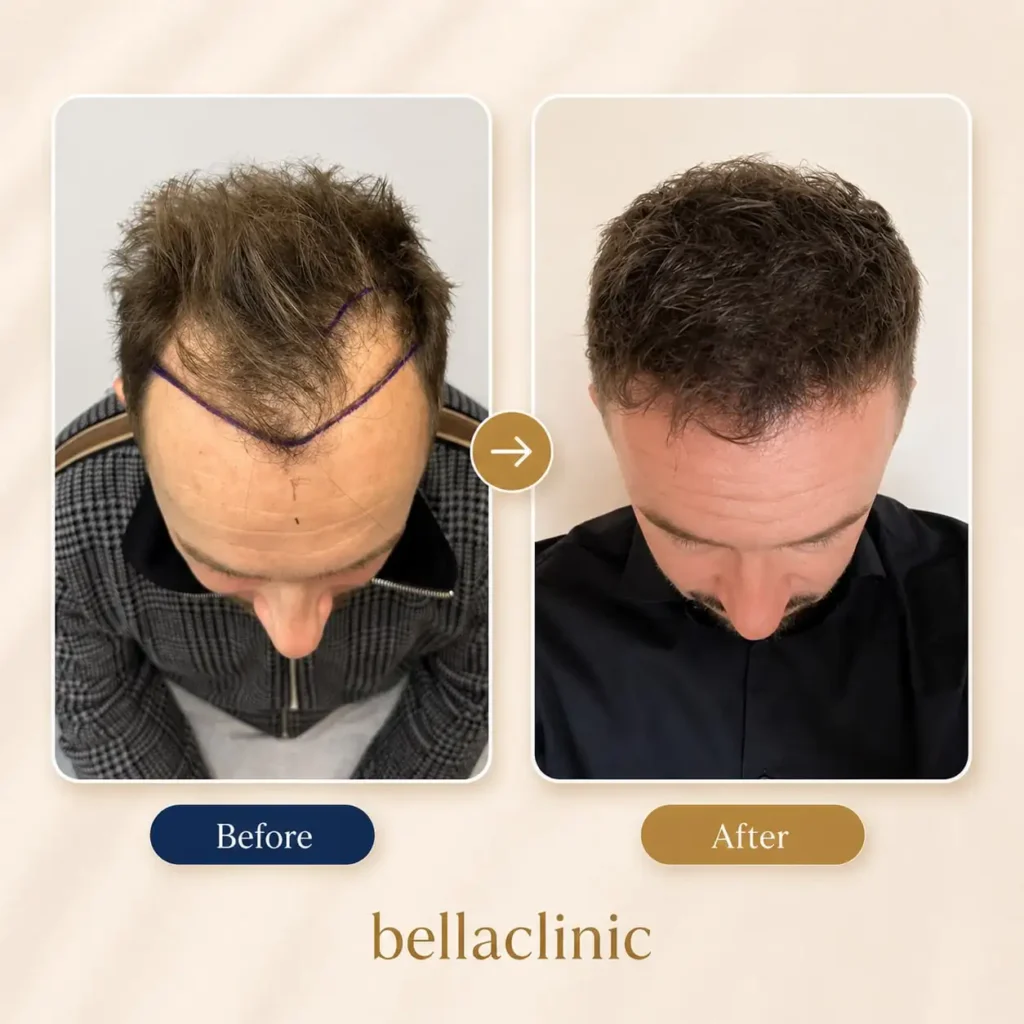
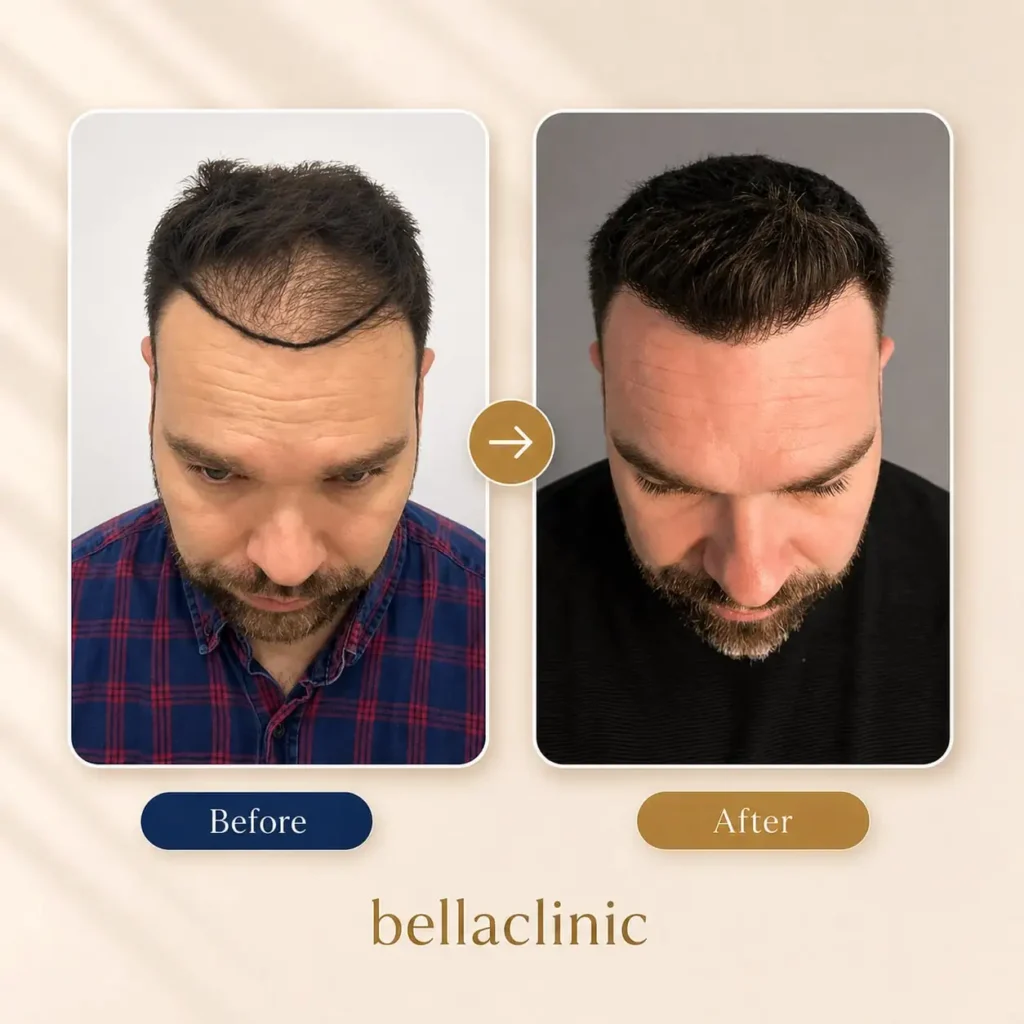
In this era of social media, before and after hair transplant photos show instant and dramatic changes. While it seems that the difference in the two photos taken a few months apart is the result of the surgery, like most things, it is more complex than that.
Donor area hair transplantation involves moving hair to a different area of the head. The surgery does not add new hair. The end result is determined by the hair available for transplantation, the location of the transplanted grafts, the characteristics of the donor hair, hair loss pattern, and the growth of the transplanted hair.
Comparing before and after photos should thus take the starting point into consideration.
A proper hair analysis can also help explain the starting point, including the hair loss pattern, donor area, existing hair, and the treatment plan used for the hair transplant procedure.
Different hair transplant methods can also produce different postoperative appearances. The same photographic principles apply whether the transplant process involves an FUE hair transplant, DHI hair transplantation, or another hair implantation method.
Patients should also pay attention to when the after photo was taken. Hair growth after surgery happens gradually and takes time, up to two years. In fact, according to the NHS, transplanted hair falls out in the first weeks after the surgery, and new hair grows at around four months, with the final result appearing one year later.
What Can Hair Transplant Before-and-After Photos Show?
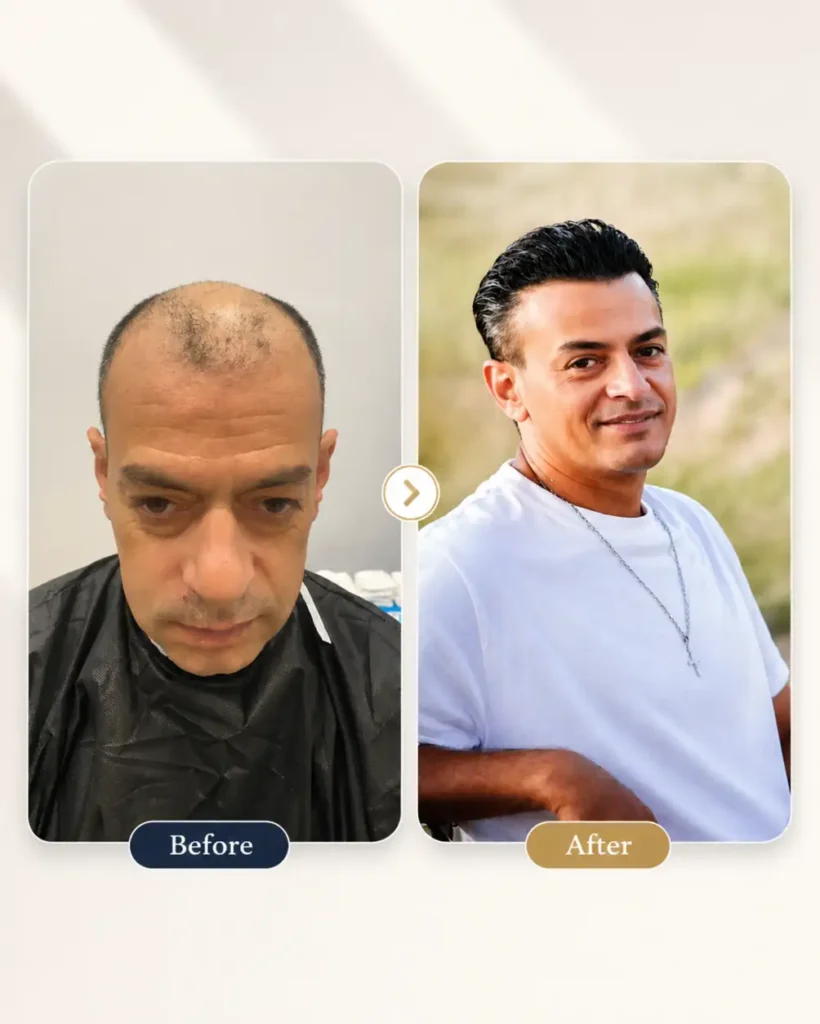
The best before and after hair transplant photos can show many things.
These photos can demonstrate how the frontal hairline was altered, how much of the scalp is made visible with hair, whether the hair is balanced, and how the transplanted area relates to surrounding hair.
This may also provide a sense of how the outcome relates to the patient’s expected degree of hair loss.
Nothing beats an in-person assessment though.
No photo can show how many healthy follicular units are left in the donor region. No photo can show the skill with which the grafts were handled throughout surgery. No photo can show how the patient’s hair may undergo transformation.
A photo is evidence of appearance at just one moment in time and of one aspect of the surgery.
The same applies when looking at hair transplant for women, female hair transplant cases, Afro hair restoration, beard transplants, or eyebrow transplants. The treated area, natural hair characteristics, hair length, curl, and styling can all change how the before-and-after difference appears.
Before-and-after photographs also cannot explain hair transplant cost, DHI hair transplantation cost, or what is included in a DHI package or an all-inclusive package.
Before and after photos of hair transplantation become much more meaningful when these photos have been taken under similar conditions. In medical photography, it is emphasized that to document the changes of hair loss over the years, one must maintain the same position of the patient, distance to the camera, and photographic views.
What Should Be Evaluated Before a Hair Transplant?
The final photo is partly determined even before the surgery begins.
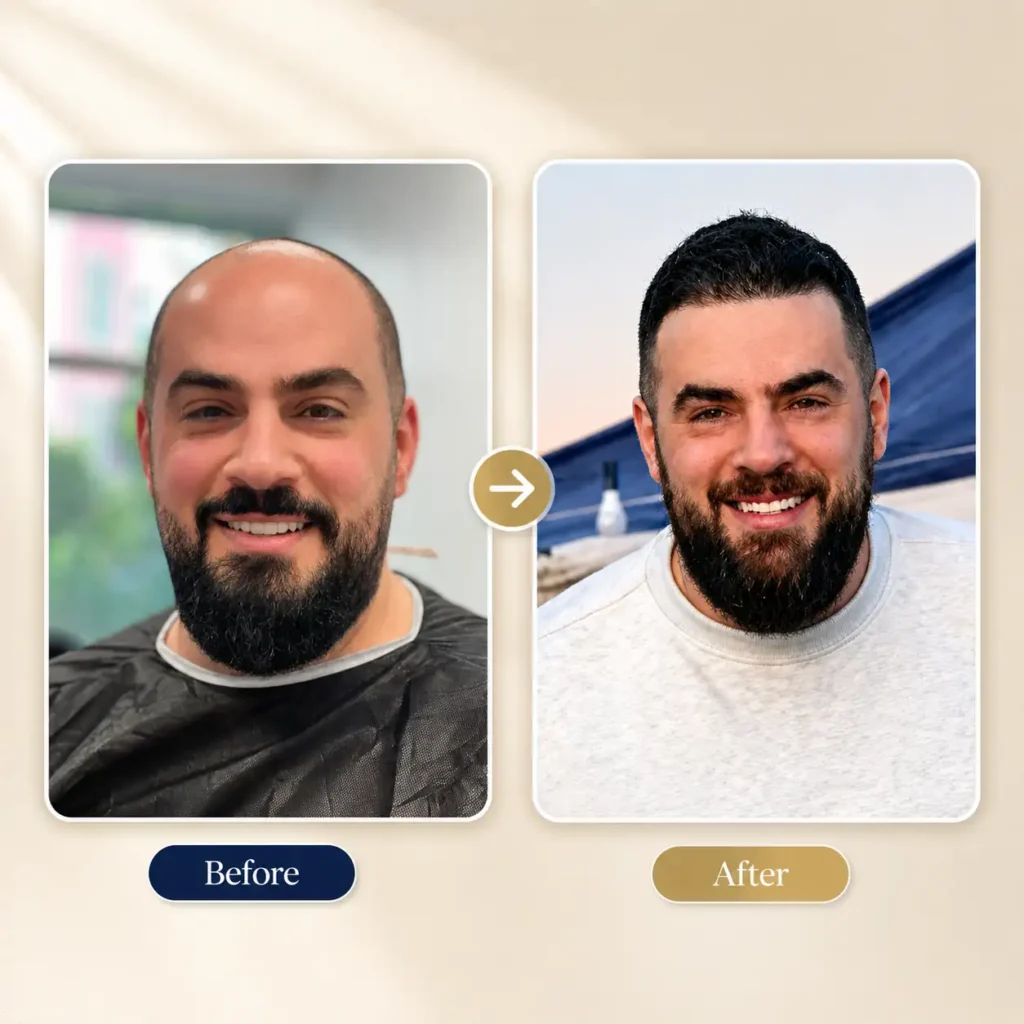
A good hair transplant before photo must capture enough detail to illustrate the starting point and the correction required.
Hair Loss Pattern
The pattern and stability of hair loss determines the treatment plan.
One who has only frontal recession has a completely different starting point than one who has extensive hair thinning in the frontal, mid and crown regions.
The hair that remains will also be a determining factor, as hair loss will continue post surgery. The NHS notes that the hair around transplanted areas will continue to thin and that the transplant should be performed in order to maintain the appearance.
This illustrates that two recipients can have two totally different outcomes, despite receiving the same number of grafts.
Donor Density
The donor region is the region from where the follicles for transplantation are harvested.
The donor region’s density, hair calibre, and available follicular units play a role in the donor region’s quality and the amount of coverage that can be achieved.
In clinical situations, when considering patients for hair transplantation, it is crucial to take into account the quality and quantity of the donor hair.
The quality of the donor hair (thick versus fine) can also determine coverage.
This means a good result for one patient should not be thought of as a good result for another patient.
Hairline Position
The position of the hairline can also influence the outcome of the transplant.
Positioning the hairline lower increases the surface area that needs to be transplanted. In such cases, greater coverage may need to be achieved with a smaller number of grafts.
From an aesthetic point of view, the new hairline should be in harmony with the patient’s face.
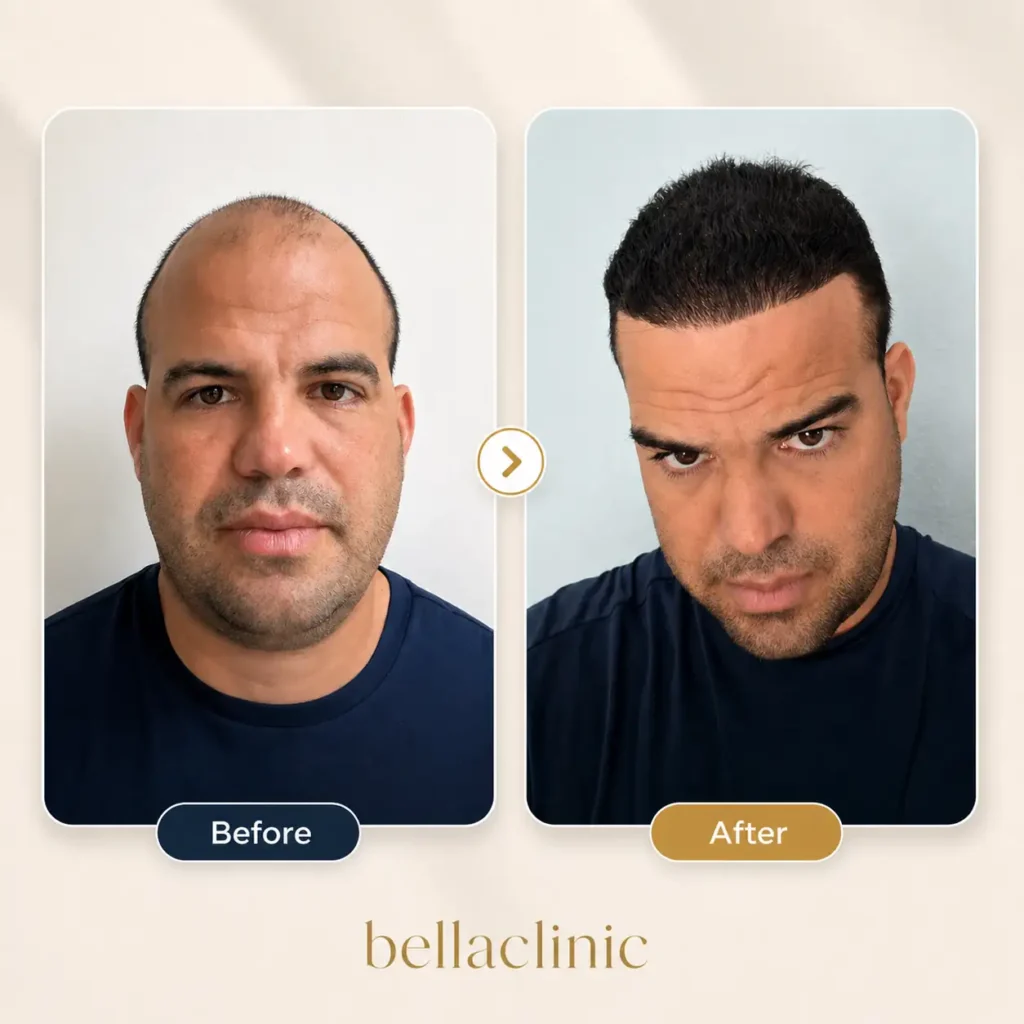
Before and after photographs should show most of the face to properly evaluate the position of the hairline.
Expected Graft Coverage
The goal of a treatment plan should be to define the region to be covered and the number of grafts needed.
The number of grafts on its own does not define the outcome.
Each follicular unit is part of a limited donor supply, so the treatment plan has to consider both the recipient area and the donor area rather than focusing only on a target graft number.
When a patient thinks about how many grafts are needed, they should consider the recipient area, the donor area, hair calibre, and the treatment plan.
A 2,000 grafts concentrated in the frontal region might transplant and appear differently than 2,000 grafts spread across a larger area.
What Do Hair Transplant Results Look Like During the First 3 Months?
The first 3 months are not adequate to evaluate the final results.
Immediately after surgery, the recipient zone will be red and may have small crusts and scabs, and transplanted hairs will be very short. The donor zone is also healing.
After surgery, many of the transplanted hairs fall out. This fall out can scare the patients, as they may think the results are reversing.
The fall out may occur without any damage to the follicles.
This early stage is part of the normal growth cycle and may include shock loss. Postop care, including the recommended hair wash routine, can also affect how the scalp looks in early photographs.
Many studies describe the first few weeks after hair transplantation as the resting phase for the transplanted follicles, and shedding of the hairs which may occur during this phase. New growth is expected to begin during the following weeks.
Hair transplantation pictures after 1 month, 2 months, and 3 months may appear different than the final outcomes.
A patient may appear thinner at some stages of early recovery than immediately after the procedure.
Hair Transplant Results at 4 to 6 Months
The visual outcome will begin to change around 4 to 6 months.
The NHS states that new hair growth will begin after around 4 months. Growth will not occur everywhere at once, so the outcome will be uneven and lighter than expected.
A photo taken after 4 months may show new coverage, but may still lack the density.
By 6 months some patients may begin to see a greater change when looking back at their before pictures. New hairs provide extra coverage and begin to change the outline of the hairline.
Improved density may become easier to notice during this period, although different follicular units can enter active growth at different times.
A hair transplant at 6 months should not be considered the final result.
Misjudgments on the density and even the survival of the grafts may be made when comparing 6 month pictures to fully matured results.
Hair Transplant Results at 6 to 9 Months
As the results develop during the 6 to 9 month period after the hair transplant, in comparison to the hair transplant before picture, it may be easier to see the difference.
More follicle units may have had time to enter the growth phase.
The outline of the hairline and the relation of coverage between the newly transplanted and native hairs become more visible.
This stage helps the patient and health care provider evaluate the progress and direction of the result, but still should be considered a part of the growing process.
It is important to realize the integrity of the hairline and density takes time to develop and should not be considered complete at this stage of growth.
Hair Transplant Results at 12 Months
At the 12 months post hair transplant mark the results have had ample development time and it is more justifiable to evaluate the integrity of the hairline and the transplanted and native hairs in relation to the former.
At 12 months, the final results are usually much more useful for comparison than photographs taken during the earlier recovery stages.
A photograph taken one year after the intervention can demonstrate whether the proposed distribution would provide adequate coverage and whether the outcome appears to be congruent with the goal of the original intervention.
It is necessary to avoid thinking that every case will be finished after exactly twelve months.
The NHS has suggested a range of approximately 10 to 18 months to see the results.
Can Results Continue to Improve After 12 Months?
Yes.
Twelve months is a good reference point, but some of the transplanted hair can continue to grow after that.
This is the main reason that the timestamp of the photograph is important.
If one clinic posts photographs of hair transplant results at six months and another clinic posts photographs at 15 months, these photographs cannot be directly compared.
The same idea applies to patients viewing examples of hair transplants 10 years later.
In these examples, the view of the long-term photograph provides context of the transplant and the rest of the subsequent hair loss, but it represents events that occurred well beyond the original surgery. Over the many years that have passed, there has likely been further hair loss, treatment, and various other interventions and changes to the person’s appearance.
How Does Graft Number Affect Before-and-After Results?
Most of the searches are performed using key terms such as “2000 hair grafts before and after” or “3500 grafts hair transplant before and after.” The reason for these searches is that patients want a quick assessment of what can be achieved with a specific graft number.
The main issue is that graft number is only one of several factors.
The same graft number can produce different outcomes depending on several other factors such as the area to be treated, type and quality of hair, hair color, graft type and pattern, etc.
1,000 to 2,000 Grafts
A smaller graft number may be used when the area being treated is relatively small.
Examples include treatment that focuses on a part of the frontal hairline or another smaller defined region, rather than attempting to cover a large area of thinning. Because of this, 1000 hair grafts before and after photos or 2000 grafts hair transplant before and after photos should be viewed along with the original size of the recipient area.
2,500 to 3,500 Grafts
Although this range may allow treatment of a larger area, it still does not specify the final result of treatment.
A 3000 graft hair transplant before and after photo can be dramatically different depending on where the grafts were placed.
A 3500 grafts hair transplant before and after photo can appear dramatically different depending on whether the grafts were concentrated in a small area or scattered over a large area.
4,000 to 5,000+ Grafts
Will require more donor hair planning.
The focus should be on removing an appropriate amount of donor follicles to be safe, not just how many grafts can be harvested.
Hair transplantation does not create additional follicles, therefore 4000 grafts hair transplant before and after photos or 5000 grafts hair transplant before and after photos cannot indicate how many grafts can safely be harvested from the same donor area.
Do FUE, DHI and Sapphire FUE Results Look Different?
Just because a particular technique is called DHI, doesn’t mean it will produce a particular result. The name DHI refers to a procedure in which the implanter tool is utilized after the extraction of individual follicular units. The name Sapphire FUE refers to the use of sapphire blades for the creation of recipient sites within an FUE procedure.
Different hair transplant methods can change how extraction and hair implantation are performed, but the technique name alone does not determine the appearance of the result.
There is definitely a difference in the techniques, but the result is heavily dependent upon donor selection, hairline design, recipient site distribution, the design and handling of each graft, and planning of each recipient site.
In FUE hair transplant surgery, follicular unit extraction is used to remove individual follicular units from the donor area before they are placed into recipient sites.
Direct Hair Implantation DHI describes an implantation process in which grafts may be placed with an implanter pen.
A Choi implanter, Choi implanter pen, or similar device may provide precision control over graft depth, angle, and direction during DHI procedures, but the implantation method alone does not determine the final result.
A Sapphire FUE hair transplant changes recipient-site preparation rather than creating a completely different donor harvesting method.
There is a reason why you cannot generalize and say that the result of a procedure using the technique of FUE will always look the same as the result of a procedure using the technique of DHI.
For a more direct technical comparison, the differences between FUE and DHI should be considered separately from the final photographic result.
What Makes a Hair Transplant Look Natural?
Plenty of factors are responsible for achieving a natural hair transplant. For example, seeing a result which is dense may look natural, but it may actually be in contrast with the facial features and original hair of the patient.
Hair restoration is not only about whether transplanted hairs grow; their relationship with the existing hair, hairline position, direction, and density also affects whether the result looks natural.
Hair implantation should also respect the patient’s natural hair, because grafts that grow successfully may still look artificial when they do not blend with the existing hair.
Hairline Design
The hairline is one of the most noticeable features in the hair transplant result. An artificial hairline may look unnaturally low or straight even when a satisfactory percentage of the grafts have survived during the surgery.
Graft Angle and Direction
During placement of hair grafts, the angle and direction of the grafts is important in relation to the existing hair of the patient.
A successful hair transplant may grow well, but still appear unnatural if hairs are placed in directions that stand out against the adjacent area.
Hairline design, orientation of grafts, and an understanding of the long-term effects of your surgery are important considerations in creating a natural-looking result in a hair transplant.
Density Distribution
Creating natural-looking results does not always mean equal density everywhere.
The distribution and placement of grafts, combined with a limited resource, will affect the final result.
There can be a significant impact or difference from evenly distributing a finite number of grafts across a large area, as compared to placing them in more densely populated areas.
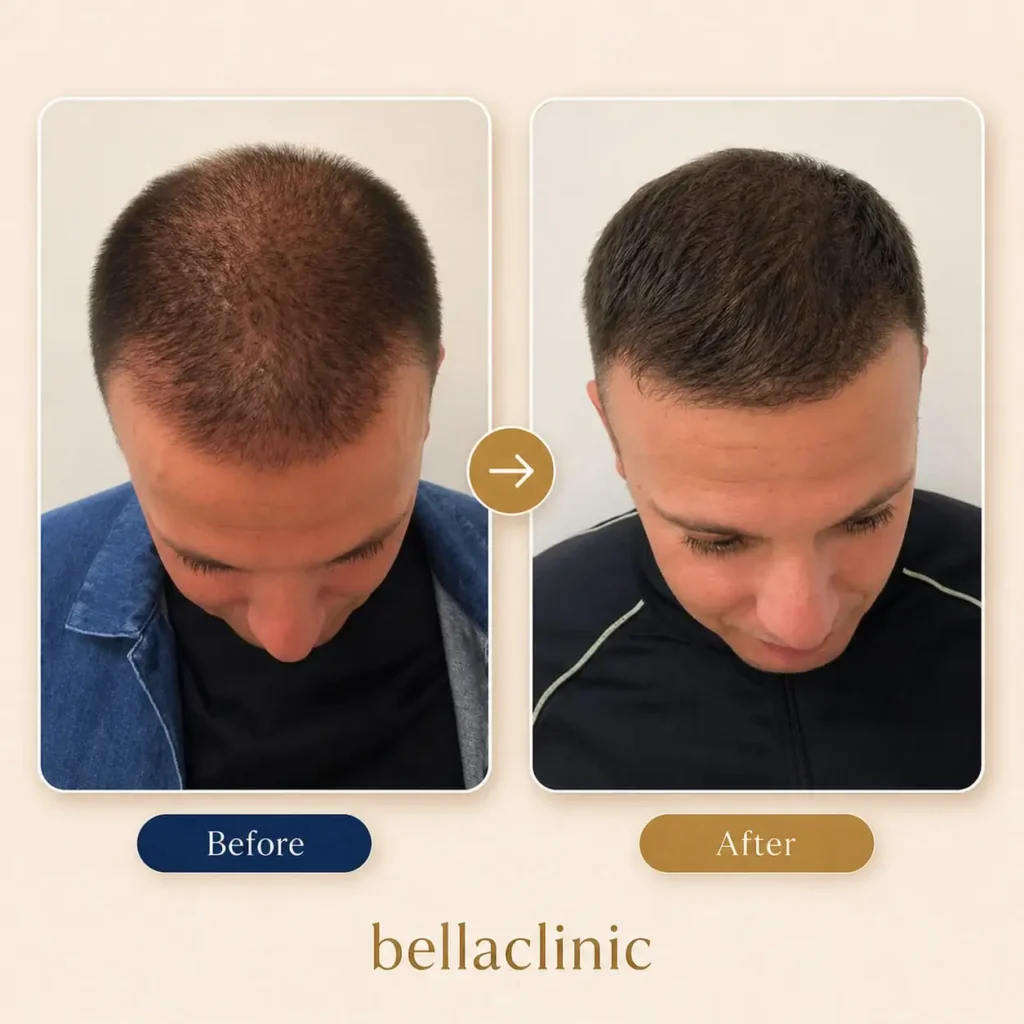
Donor Hair Characteristics
The appearance of a dense transplant can be impacted by the calibre, colour, curl, and the contrast of the hair to the scalp.
Thicker hair can conceal more of the scalp than fine hair, even though the total number of grafts may be the same.
As such, transplant results cannot be shown side by side.
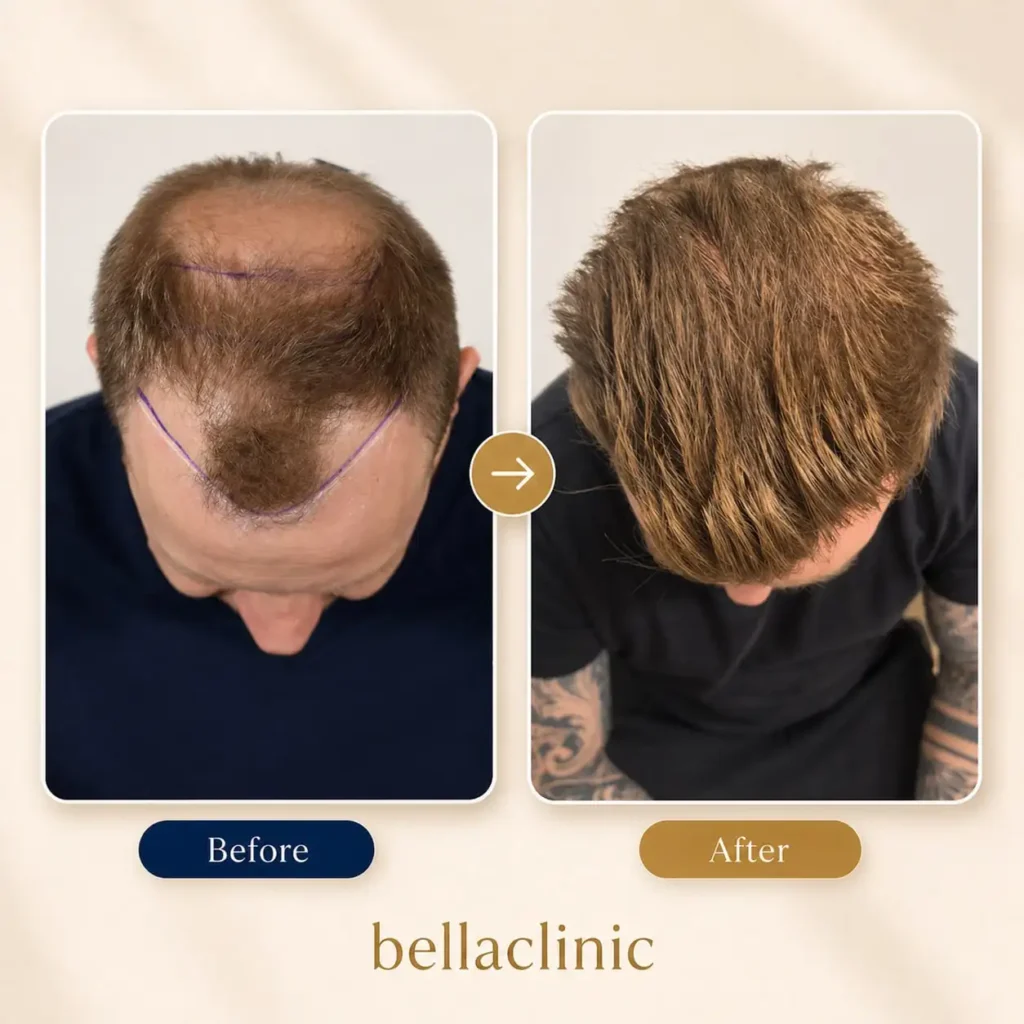
How Should Hair Transplant Photos Be Compared?
Comparison photos should aid in assessment and reduce the perceived differences from before and after the surgery.
Lighting
For proper assessment of the transplant, both photos should have even lighting.
Full direct lighting can show thinning. Softer or darker lighting can show more density and hiding thinning.
If BOTH before and after lighting are different, the hair transplant can be shown as unimproved.
Hair Length and Styling
Transplants should be assessed on the same hair length, as longer hair can conceal more of the scalp.
The density of a photo can be impacted by the type of styling product used, the direction hair is combed, the type of fibre used, and the hair’s moisture level.
For that reason, the best transplant photos show the best comparison in styling.
Other hair loss treatments can also affect how later photographs look. If PRP treatment, PRP hair treatment, or another hair treatment was used alongside surgery, that information should ideally be disclosed when the before-and-after result is presented.
Early photographs may also look different after an unshaven hair transplant or hair transplantation without shaving because the surrounding existing hair can partially cover the treated areas.
Camera Angle
Slight changes in head angle can make some scalp visible, while other angles can make the scalp completely invisible.
In the study of standardized hair loss photography, medical literature describes the importance of taking multiple views from the front, middle, top, side, and back of the head in a consistent position.
An image from above should never be compared to an image from the front.
Time Since Surgery
It is imperative to know the time that has elapsed after surgery.
After a hair transplant, photos should be taken after 3, 6, and 12 months to show the progress of hair growth.
Without a specific timeline, photos will lose their value.
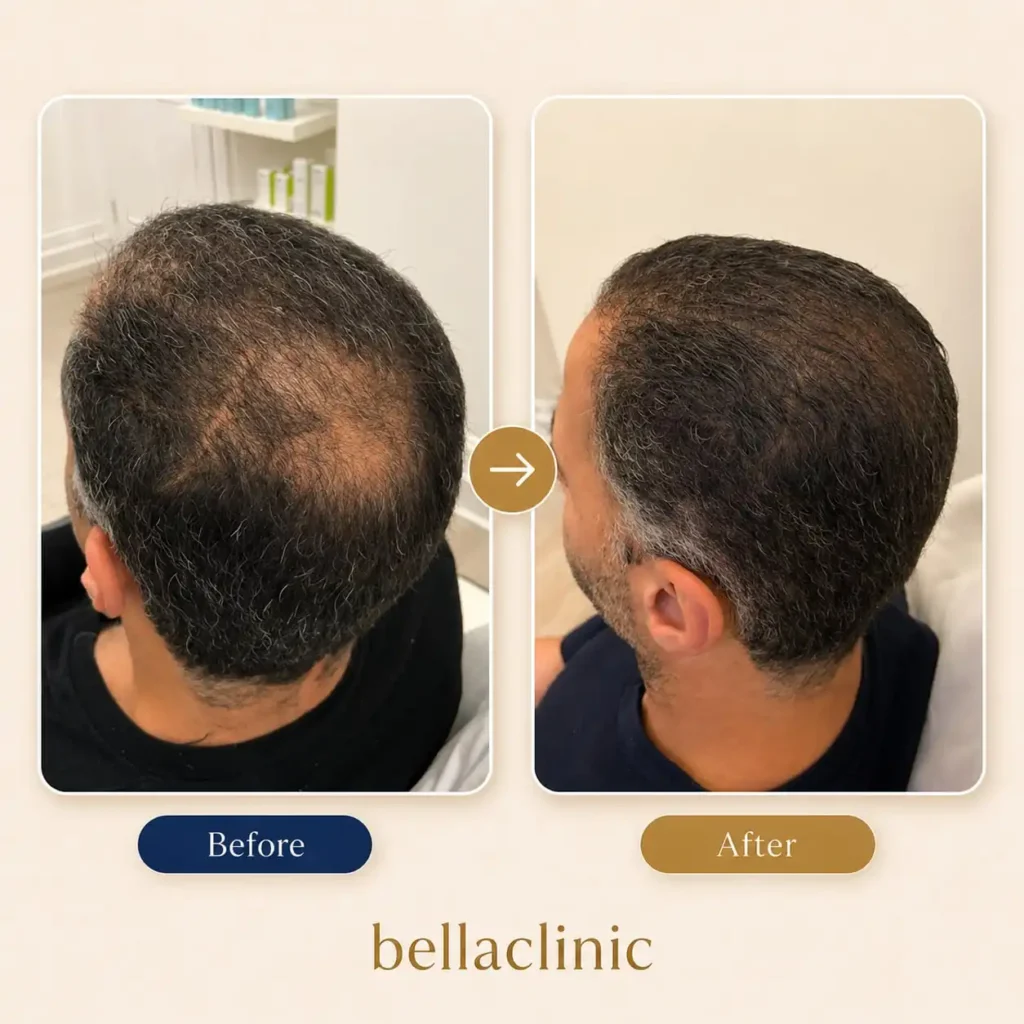
What Can Affect Hair Transplant Results?
Many variables can influence the end result.
These include the quality and quantity of donor hair, the area needing coverage, the ongoing loss of hair, the way the grafts are handled, and loss of hair in the grafted area.
Hair transplants often disappoint even if hair grows if the placement of the grafts, hairline, or distribution of hair density is not adequate.
The NHS states possible problems include infection, bleeding, scarring, and failure of the transplanted hair to grow. It also states that surrounding hair will continue to thin after surgery.
The outcome of a hair transplant should not be judged solely on hair growth.
Graft survival rates are one part of the outcome, but survival rates alone do not describe hairline quality, density distribution, or how naturally the transplanted hair blends with existing hair.
High survival rates or claims about grafts surviving do not automatically mean that the hairline, density distribution, or overall aesthetic result will be successful.
Recovery times and postop care can also affect when the transplanted area is ready for a meaningful photographic comparison.
Recovery times can also differ according to the extent of the hair transplant operations and the individual healing process.
The wider hair transplant recovery process that must be completed in order to assess the early postoperative appearance correctly means that you can’t judge the first impressions success of a clinic immediately following the transplant.
Can Before-and-After Photos Show Whether a Clinic Is Good?
They can show before-and-after examples of some result cases, but the photos shouldn’t be the only source you look at to evaluate a clinic’s work.
This is also relevant for international patients researching a hair transplant in Turkey. Whether the provider is a hair clinic, surgery center, hair transplantation clinic, or transplant clinic in Turkey, photographs should be only one part of the evaluation.
Patients comparing Turkish clinics or surgeons in Turkey, including providers in Istanbul, Turkey, should also consider who performs the surgical stages, how follow-up is handled, and whether the treatment is being selected mainly as part of medical tourism.
Before-and-after photos can help show whether the hairlines are natural, or even if the clinic shows the results at different points in time.
Before-and-after photos can’t show who performed the surgical steps, if the clinic adheres to standards and regulations, how complications are dealt with, how the posted cases reflect the real work of the clinic, or if the photos are a good representation of their work.
Since photos are selected examples, they can’t be the only things you assess.
You should also assess the entire medical team’s qualifications and experience, the planned surgery and the follow-up.
The NHS also advises looking at the qualifications and experience of the person performing the surgery, and asking about the surgery’s complications, the techniques recommended, and the follow-up.
Frequently Asked Questions About Hair Transplant Results
When Does New Hair Start Growing?
New growth is not visible right after the surgery.
Transplanted hairs normally fall out after a week or two, and during this time, there is very minimal or no visible growth.
New growth will start to appear four months after the surgery, according to the NHS.
When Is the Final Result Visible?
The result after a year provides a good indication of the results, but it isn’t the completely final result.
The NHS claims it takes between 9 to 18 months to see the final outcomes of a hair transplant surgery.
This means that images of hair transplants at 6 months, or even 9 months, can look different because images taken at later stages can look different than what was expected.
What Do You Consider a Successful Hair Transplant?
There is no CORRECT percentage that can define what is a successful hair transplant for EVERYONE.
Success can refer to the growth of the grafts, how happy the patient was with the results, how dense the hair was post surgery, or how natural the appearance was with no complications, etc.
These are different things.
The percentage posted by a clinic can be interpreted based on how long the patient was monitored following surgery, and how post surgery the measurement was done.
Pictures on their own do not show the survival rate of grafts.
Success rates should therefore be interpreted according to what was actually measured rather than treated as a universal measure of the final result.
Can Transplanted Hair Look Thin For a Period of Time?
Yes.
Growth does not happen as a single phase where all the hair is mature.
Hair may be shed, then there may be a long time with little to no visible growth, and then new hairs may grow.
This means that a thin appearance does not indicate the final density for the hair.
The hair should be evaluated after the entire process is done.
Medical Sources
Low-Cost Standardization of Photography in Pattern Hair Loss with “Chin–Nose–Brow Rest” — PubMed Central / International Journal of Trichology.
Hair transplant — NHS, United Kingdom.
Hair Transplantation — StatPearls / NCBI Bookshelf, U.S. National Library of Medicine.